


Overview
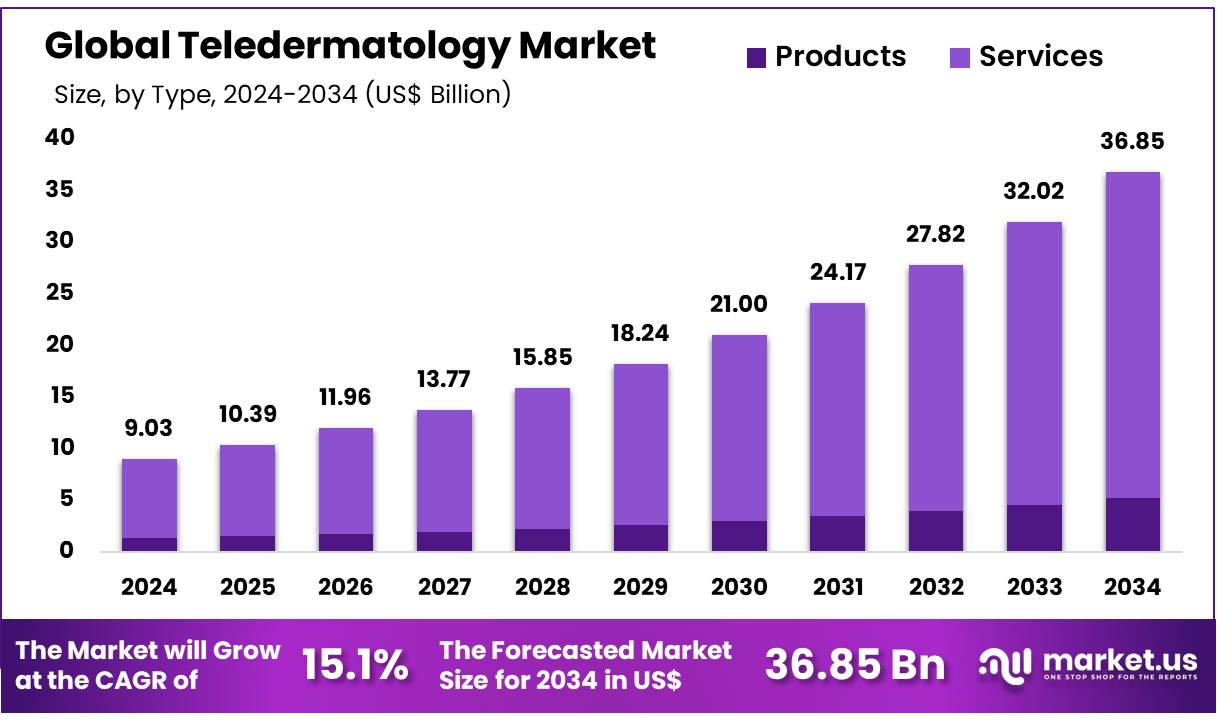
Global Teledermatology Market size is expected to be worth around US$ 36.85 Billion by 2034 from US$ 9.03 Billion in 2024, growing at a CAGR of 15.1% during the forecast period 2025 to 2034. In 2024, North America led the market, achieving over 38.7% share with a revenue of US$ 3.49 Billion.
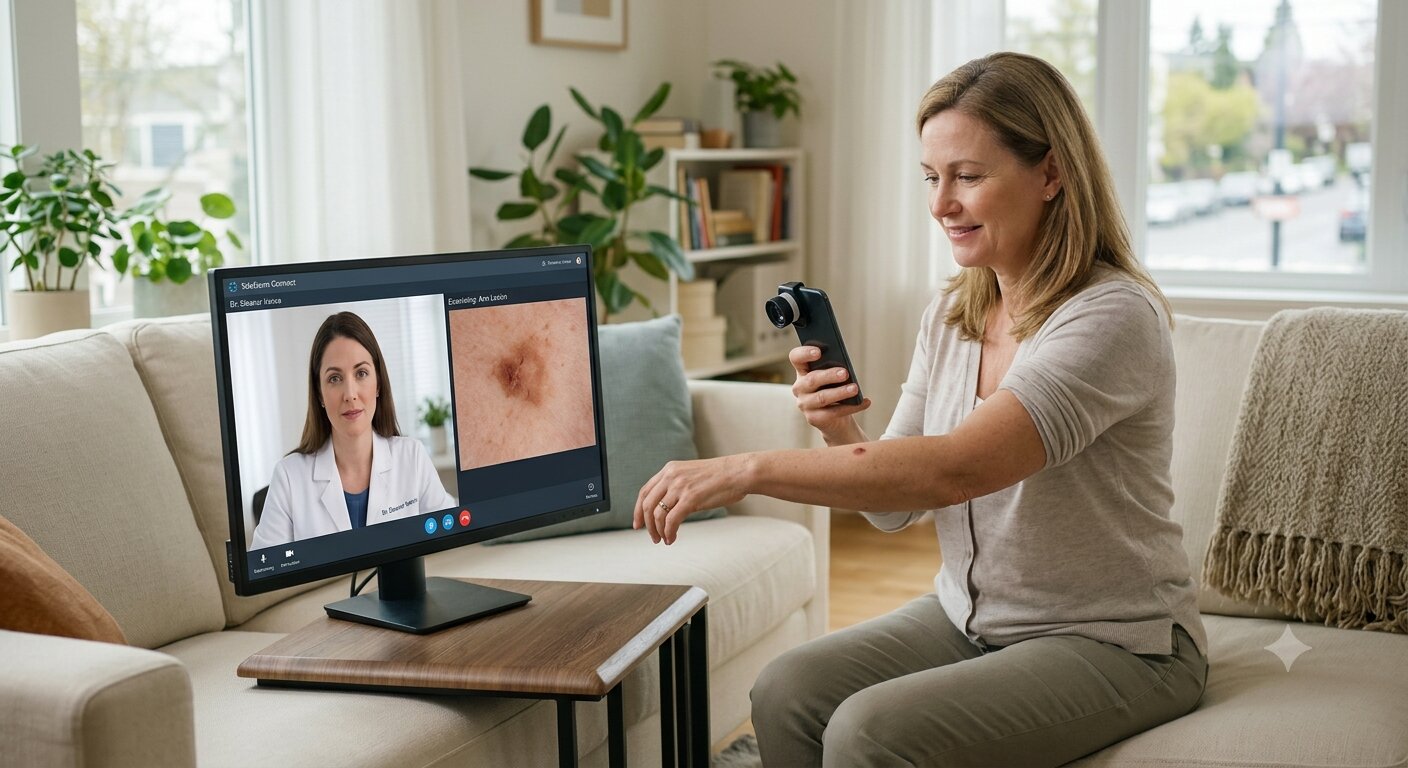
The increasing adoption of digital healthcare solutions is transforming dermatology services by enabling remote diagnosis, consultation, and continuous monitoring of skin, hair, and nail conditions. Teledermatology is becoming an important healthcare delivery model for improving access to specialist care, especially in regions facing shortages of dermatology professionals. The American Academy of Dermatology (AAD) supports responsible teledermatology practices that provide patients access to qualified dermatologists while maintaining quality, privacy, and appropriate clinical standards.
The rising burden of dermatological conditions, including acne, psoriasis, eczema, and skin cancer concerns, is encouraging hospitals, clinics, and healthcare providers to integrate virtual dermatology platforms into their care pathways. These solutions allow patients to securely share medical histories, digital images, and consultation details, helping physicians evaluate conditions remotely and determine appropriate treatment options.
Teledermatology adoption has expanded significantly among healthcare professionals. According to the American Academy of Dermatology, around 60% of dermatologists continued incorporating teledermatology into their practices after the peak adoption period during the COVID-19 pandemic, highlighting its continued role in modern dermatology care delivery.
Government support for telehealth infrastructure, improvements in digital connectivity, and advancements in artificial intelligence-based image analysis are further strengthening the adoption of remote dermatology services. The AAD Teledermatology Program currently supports underserved communities through a network of 36 clinics across 21 states, reaching approximately 745,000 patients, demonstrating the potential of virtual care models to reduce healthcare access gaps.
Healthcare organizations are increasingly investing in secure telemedicine platforms, digital imaging technologies, and AI-assisted diagnostic tools to improve patient outcomes and enhance the efficiency of dermatological services.
Key Takeaways
- In 2024, the Teledermatology Market generated revenue of US$ 9.03 billion and is projected to expand at a CAGR of 15.1%, reaching approximately US$ 36.85 billion by 2034.
- Based on Type, the Teledermatology Market is segmented into Products and Services. The Services segment dominated the market in 2023, accounting for 85.8% of the total market share, driven by increasing adoption of remote dermatology consultations and digital healthcare solutions.
- By Service Type, the market is categorized into Teleconsultation, Telemonitoring, Tele-education, and Others. Among these, Teleconsultation emerged as the leading segment in 2023, capturing 37.9% market share, supported by growing demand for virtual dermatologist appointments and remote diagnosis services.
- Based on Modality, the Teledermatology Market is segmented into Store-and-Forward, Real-Time, and Hybrid solutions. The Store-and-Forward segment held the largest revenue share of 63.7%, owing to its convenience, cost-effectiveness, and widespread use for image-based dermatological assessments.
- By End-User, the market is divided into Healthcare Facilities and Homecare. The Healthcare Facilities segment dominated the market with a 65.8% share, as hospitals and clinics increasingly integrate teledermatology platforms into their healthcare delivery systems.
- Regionally, North America led the global Teledermatology Market in 2024, securing a 38.7% market share, driven by advanced healthcare infrastructure, higher telehealth adoption, and increasing investments in digital healthcare technologies.
Statistical Information
- The Centers for Medicare & Medicaid Services (CMS) tracks telehealth utilization among Medicare beneficiaries through its Medicare Telehealth Trends dataset, covering telehealth services used between January 2020 and December 2025, showing continued government monitoring and integration of virtual healthcare delivery.
- A multi-site patient survey study on teledermatology found that 73.4% of patients reported satisfaction with their teledermatology visits, demonstrating strong acceptance of remote dermatology consultations among users.
- In the same teledermatology survey, 38.7% of participants indicated they were likely to choose video consultations instead of traditional in-person dermatology visits, highlighting evolving consumer preferences toward hybrid healthcare models.
- Patient concerns identified in teledermatology adoption studies included limitations in physical examination capabilities, with 14.1% of surveyed participants citing concerns about the accuracy of examinations through video visits.
- The CDC reported that in the United States, 7.7% of adults had diagnosed eczema in 2024, supporting the continued need for accessible dermatology services and remote monitoring solutions.
- Artificial intelligence is becoming an important supporting technology in dermatology workflows. A multicenter clinical study evaluating AI-assisted melanoma diagnosis reported that AI achieved a balanced accuracy of 0.798 compared with 0.781 for dermatologists in the evaluated dataset, highlighting the potential role of AI-based decision support tools.
- A deep-learning dermatology study using teledermatology cases evaluated 17 clinical sites and more than 17,000 cases during system development and validation, demonstrating the growing role of large-scale digital dermatology datasets.
Regional Analysis
North America holds a leading position in the global Teledermatology Market, supported by advanced healthcare infrastructure, strong digital health adoption, and increasing demand for remote dermatological services. The region’s growth is driven by the rising need for convenient access to dermatologists, particularly in underserved communities facing specialist shortages. The American Academy of Dermatology (AAD) has highlighted teledermatology as an important tool for connecting patients with board-certified dermatologists and improving access to specialized skin care services.
The increasing adoption of virtual consultations, digital imaging technologies, and cloud-based dermatology platforms is strengthening market expansion across the United States and Canada. In Canada, limited dermatologist availability has encouraged healthcare organizations to explore remote care models. MedX Health partnered with PharmaChoice Canada in 2023 to launch a teledermatology screening pilot using its DermSecure platform, initially planned across 20 pharmacy locations in four Canadian provinces.
Additionally, the AAD Teledermatology Program supports healthcare providers in underserved regions by enabling remote consultations with dermatology specialists, helping improve access to timely diagnosis and treatment. With continued investments in telehealth infrastructure, artificial intelligence-based skin analysis, and digital healthcare platforms, North America is expected to maintain its strong market presence in the coming years.
Emerging Trends
- Artificial Intelligence-Based Dermatology Assistance: AI integration is becoming a major trend in teledermatology, helping dermatologists analyze skin images, prioritize cases, and improve diagnostic support. The FDA has established programs for evaluating AI-enabled medical devices, reflecting the growing use of machine learning technologies in clinical decision support.
- Integration of Teledermatology With Electronic Health Records (EHRs): Healthcare organizations are increasingly connecting teledermatology platforms with existing EHR systems to improve clinical documentation, workflow efficiency, and communication between primary care providers and dermatologists. A JAMA Dermatology study found that an internal store-and-forward teledermatology system improved specialist access, with dermatologist evaluation increasing from 64.2% to 83.3% after implementation.
- Growth of Store-and-Forward Digital Dermatology: Store-and-forward teledermatology continues gaining adoption because patients can submit images and medical information without requiring a live appointment. This approach helps improve access in areas with limited specialists. Studies in healthcare systems have shown this model can reduce referral delays and improve dermatology evaluation rates.
- Mobile-Based Skin Health Platforms: Smartphone-enabled dermatology services are expanding as consumers increasingly use mobile devices for healthcare access. These platforms allow users to upload skin images, receive specialist opinions, and monitor treatment progress remotely, supporting convenient and patient-centered dermatology care.
- Improved Image Quality and Digital Photography Solutions: Advanced image capture technologies are emerging to improve the reliability of remote skin assessments. Research on teledermatology image quality found that automated image assessment tools could help identify poor-quality images, with one machine-learning approach rejecting 50% of substandard images while retaining 80% of good-quality images.
Use Cases
- Remote Diagnosis of Acne and Common Skin Conditions: Teledermatology is widely used for managing conditions such as acne, rashes, eczema, and benign skin disorders. A Medicaid teledermatology study involving 382,801 enrolled patients found that teledermatology improved access, with participating primary care practices experiencing a 63.8% increase in the proportion of patients visiting dermatologists.
- Skin Cancer Screening and Early Detection: Remote dermatology platforms are increasingly used for evaluating suspicious skin lesions and supporting early referral decisions. Digital images and AI-assisted analysis help dermatologists identify patients requiring further examination, improving screening efficiency and reducing unnecessary clinic visits.
- Chronic Disease Monitoring for Long-Term Care: Teledermatology is becoming an important tool for monitoring chronic conditions such as psoriasis and eczema. Patients can share progress images, symptom updates, and treatment responses remotely, allowing physicians to adjust care plans without frequent hospital visits.
- Specialist Access for Rural and Underserved Populations: Teledermatology helps connect patients in areas with limited dermatologist availability to specialists through digital consultations. Research has shown that teledermatology programs can increase access among underserved populations and help patients receive specialist input who may otherwise face long waiting periods.
- Reducing Referral Waiting Times and Unnecessary Visits: Healthcare providers are using teledermatology as a triage solution to determine which patients need in-person appointments. One clinical evaluation reported that teledermatology-based triage reduced waiting time for face-to-face dermatology appointments by 78%, improving specialist resource utilization.
Frequently Asked Questions About Teledermatology
- How does a teledermatology consultation work?
A teledermatology consultation involves patients sharing their symptoms, medical history, and high-quality images of affected skin areas through digital platforms. Dermatologists review the information, provide diagnosis support, recommend treatments, and suggest physical visits when further examination is required. - What are the major benefits of teledermatology?
Teledermatology improves access to dermatologists, reduces travel time, supports faster consultations, and helps patients in remote or underserved areas receive specialist advice. It also allows healthcare providers to monitor chronic skin conditions and manage follow-up care more efficiently. - What are the main types of teledermatology services?
Teledermatology services are mainly divided into real-time consultations and store-and-forward services. Real-time services use video communication between patients and dermatologists, while store-and-forward methods allow patients to upload images and medical details for later review by specialists. - How is artificial intelligence influencing the teledermatology market?
Artificial intelligence is improving teledermatology by supporting skin image analysis, clinical decision assistance, and workflow automation. AI-based tools help dermatologists identify suspicious lesions, prioritize cases, and improve diagnostic support while regulatory agencies continue evaluating AI-enabled healthcare technologies. - What factors are driving growth in the teledermatology market?
The growth of the teledermatology market is supported by increasing digital healthcare adoption, rising demand for convenient medical services, growing smartphone usage, increasing skin disease burden, and the need for accessible dermatology solutions. - What is the future outlook for the teledermatology market?
The future of teledermatology is expected to focus on AI-assisted diagnosis, hybrid care models, smartphone-based consultations, digital imaging improvements, and remote monitoring solutions. These technologies are expected to enhance dermatology access and improve patient-centered healthcare delivery.
Conclusion
The Teledermatology Market is witnessing significant growth as healthcare systems increasingly adopt digital platforms to improve access, efficiency, and patient convenience. Rising demand for remote dermatology consultations, advancements in artificial intelligence, digital imaging, and increasing adoption of telehealth solutions are strengthening market expansion.
Teledermatology is playing a crucial role in addressing dermatologist shortages, supporting early diagnosis, and improving care delivery for chronic and complex skin conditions. With continued investments from healthcare providers, government initiatives, and technology advancements, teledermatology is expected to become an essential component of modern dermatology services, enabling more accessible, efficient, and patient-centered healthcare solutions worldwide.




















