


Report Overview
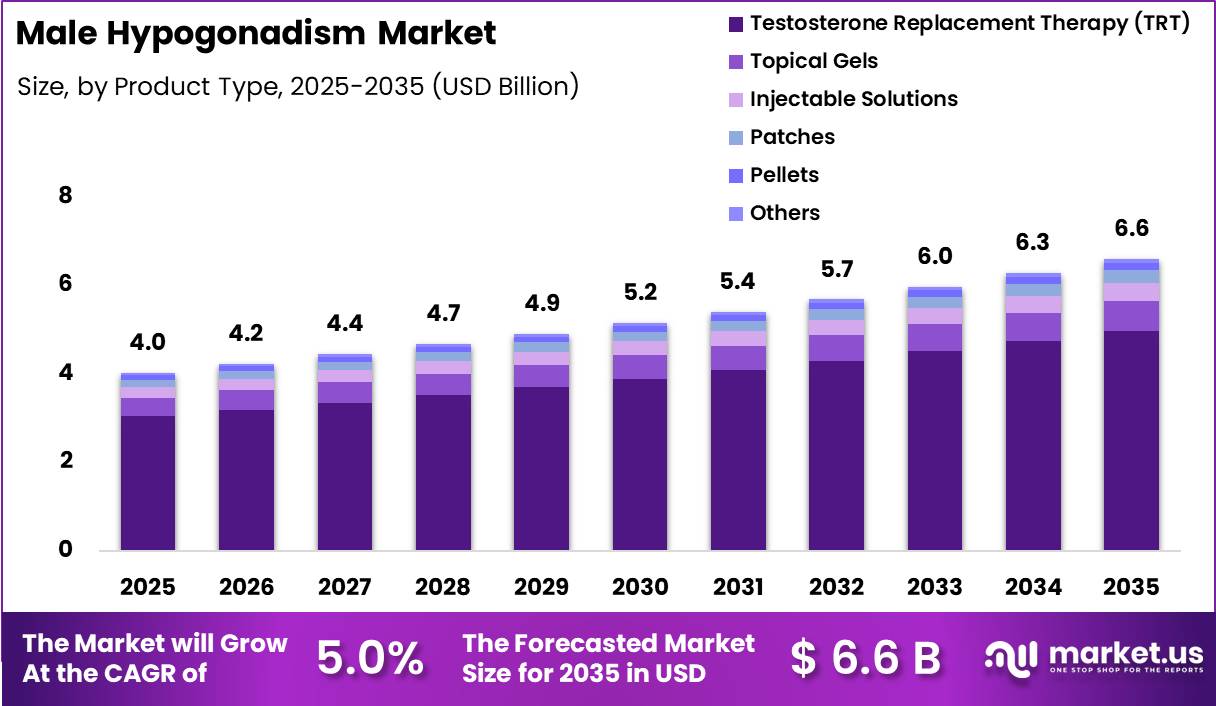
Global Male Hypogonadism Market size is expected to be worth around US$ 6.6 Billion by 2035 from US$ 4.0 Billion in 2025, growing at a CAGR of 5.0% during the forecast period from 2026 to 2035. In 2025, North America led the market, achieving over 48.2% share with a revenue of US$ 1.9 Billion.
Male hypogonadism is a chronic endocrine disorder characterized by inadequate testosterone production or impaired sperm generation due to dysfunction of the testes or the hypothalamic-pituitary axis. The condition has gained significant clinical attention owing to its increasing prevalence among aging male populations and the growing awareness regarding men’s hormonal health.
Testosterone plays a critical role in muscle mass development, bone density, sexual function, fertility, mood regulation, and overall metabolic health. Deficiency of this hormone may result in fatigue, reduced libido, erectile dysfunction, depression, infertility, reduced muscle strength, and decreased quality of life.
The increasing incidence of age-related testosterone deficiency is a major factor supporting the growth of the male hypogonadism diagnosis and treatment landscape. According to the National Center for Biotechnology Information (NCBI), approximately 40% of men aged above 45 years and nearly 50% of men in their 80s are affected by hypogonadism.
In addition, testosterone levels are estimated to decline by nearly 100 ng/dL every decade with advancing age. Rising obesity rates, diabetes, chronic illnesses, and lifestyle-related disorders are also contributing to hormonal imbalances among men, thereby increasing the patient pool requiring medical intervention.
The rapidly aging global population is further accelerating demand for hypogonadism management solutions. According to the World Health Organization (WHO), the number of individuals aged 80 years and older is projected to triple between 2020 and 2050, reaching approximately 426 million globally. This demographic trend is expected to substantially increase the prevalence of late-onset hypogonadism and related endocrine disorders.
Furthermore, healthcare organizations and government-supported institutions are actively promoting awareness regarding testosterone deficiency and men’s health management. Institutions such as the National Institutes of Health (NIH) and professional medical associations are emphasizing early diagnosis and appropriate treatment strategies to reduce long-term health complications associated with hormonal deficiency.
Continuous advancements in testosterone replacement therapies, diagnostic technologies, and preventive healthcare programs are expected to strengthen clinical adoption and improve disease management outcomes globally.
Key Takeaways
- Market Size: Male Hypogonadism Market size is expected to be worth around US$ 6.6 Billion by 2035 from US$ 4.0 Billion in 2025
- Market Share: The market growing at a CAGR of 5.0% during the forecast period from 2026 to 2035.
- Product Type Analysis: Testosterone Replacement Therapy (TRT) dominated the market with a 75.5% share in 2025
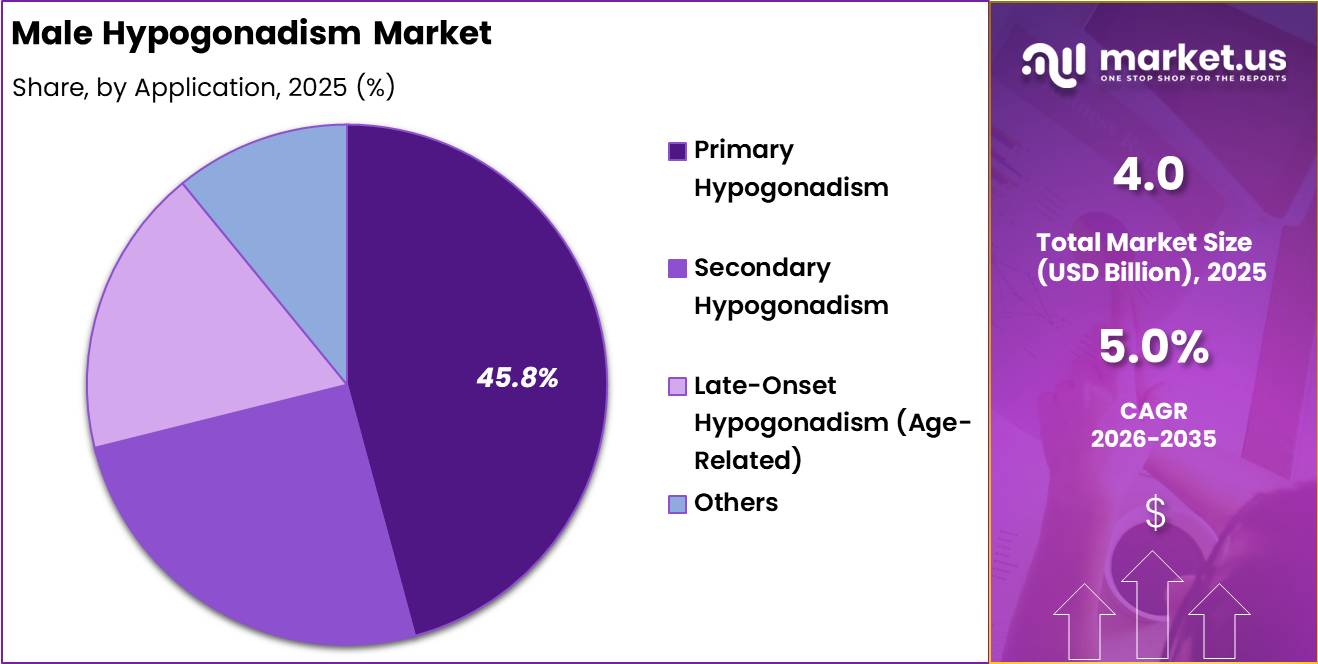
- Application Analysis: Primary Hypogonadism accounted for the largest market share of 45.8% in 2025.
- End User Analysis: Hospitals dominated the market with a 42.5% share in 2025
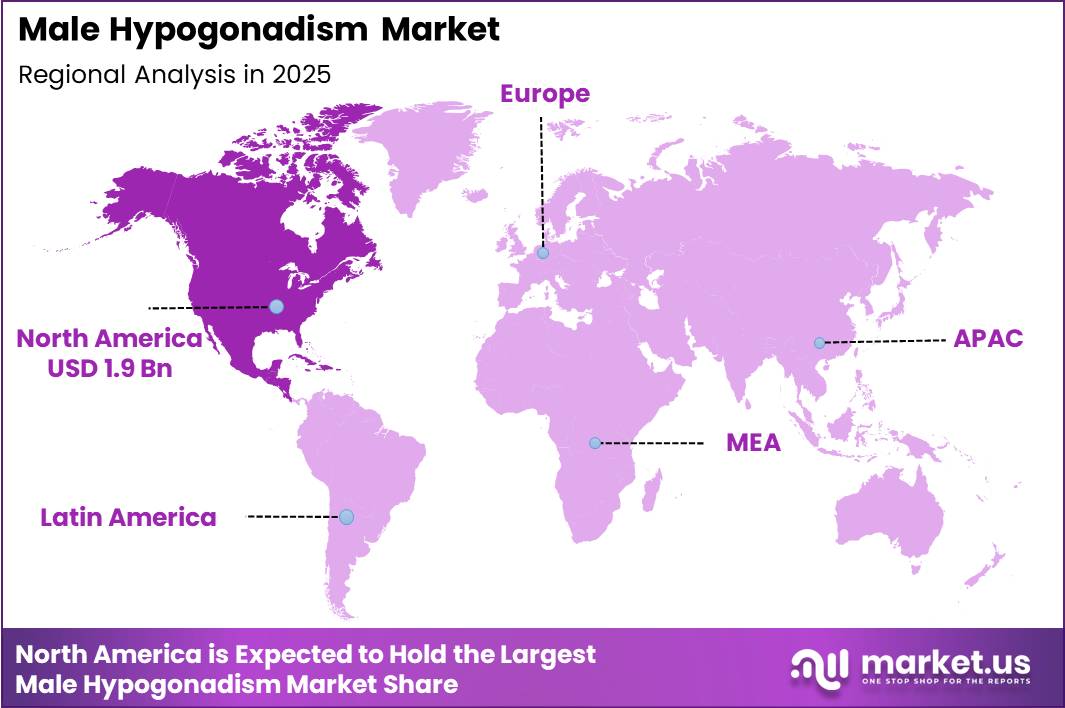
- Regional Analysis: In 2025, North America led the market, achieving over 48.2% share with a revenue of US$ 1.9 Billion.
Product Type Analysis
The product type segment of the Male Hypogonadism Market is categorized into Testosterone Replacement Therapy (TRT), Topical Gels, Injectable Solutions, Patches, Pellets, and Others. Testosterone Replacement Therapy (TRT) dominated the market with a 75.5% share in 2025, primarily due to the increasing prevalence of testosterone deficiency among aging male populations and the growing awareness regarding hormone replacement therapies.
The widespread adoption of TRT has been supported by its proven effectiveness in restoring testosterone levels, improving muscle mass, bone density, libido, and overall quality of life. Additionally, favorable reimbursement policies and continuous advancements in drug delivery technologies have further accelerated segment growth.
Among TRT products, topical gels and injectable solutions represent major revenue-generating categories owing to their convenience, high patient compliance, and broad availability across healthcare settings. Injectable formulations continue to witness strong demand due to their long-lasting therapeutic effects and cost-effectiveness.
Meanwhile, patches and pellets are gaining gradual traction as minimally invasive and controlled-release treatment options. The “Others” segment, including oral therapies and emerging formulations, is expected to experience moderate growth driven by ongoing product innovation and expanding clinical research activities.
Application Analysis
Based on application, the Male Hypogonadism Market is segmented into Primary Hypogonadism, Secondary Hypogonadism, Late-Onset Hypogonadism (Age-Related), and Others. Primary Hypogonadism accounted for the largest market share of 45.8% in 2025, driven by the rising incidence of genetic disorders, testicular injuries, chemotherapy-related complications, and chronic diseases affecting testosterone production.
Increasing diagnosis rates and growing awareness regarding endocrine disorders have significantly contributed to the expansion of this segment. Furthermore, the availability of effective testosterone replacement therapies has improved treatment accessibility for patients suffering from primary hypogonadism.
Secondary Hypogonadism also represents a substantial market segment due to the increasing prevalence of pituitary and hypothalamic disorders, obesity, diabetes, and lifestyle-associated hormonal imbalances. The Late-Onset Hypogonadism (Age-Related) segment is projected to witness notable growth during the forecast period, supported by the rapidly expanding geriatric male population globally and increasing demand for anti-aging and hormone optimization therapies.
In addition, rising health consciousness among middle-aged men and growing adoption of preventive healthcare practices are supporting segment expansion. The “Others” category includes rare and mixed hypogonadism conditions that continue to generate steady treatment demand across specialized healthcare facilities.
End User Analysis
Based on end user, the Male Hypogonadism Market is segmented into Hospitals, Specialty Clinics (Urology, Endocrinology), Home Care Settings, and Others. Hospitals dominated the market with a 42.5% share in 2025 owing to the high volume of patient visits, availability of advanced diagnostic infrastructure, and access to multidisciplinary treatment approaches.
Hospitals remain the primary point of care for patients requiring comprehensive hormonal evaluation, laboratory testing, and long-term testosterone replacement therapy management. The presence of experienced endocrinologists and urologists further supports the dominance of this segment.
Specialty Clinics, particularly urology and endocrinology centers, are witnessing considerable growth due to increasing patient preference for specialized and personalized hormone treatment services. These clinics provide targeted therapies, regular monitoring, and customized treatment plans, contributing to improved patient outcomes and higher treatment adherence.
Home Care Settings are also emerging as a promising segment, supported by the growing adoption of self-administered testosterone therapies, telemedicine services, and remote patient monitoring solutions. Rising preference for convenient and cost-effective treatment options among aging patients is further accelerating demand in this segment. The “Others” category includes ambulatory care centers and research institutions contributing to overall market development.
Key Market Segments
By Product Type
- Testosterone Replacement Therapy (TRT)
- Topical Gels
- Injectable Solutions
- Patches
- Pellets
- Others
By Application
- Primary Hypogonadism
- Secondary Hypogonadism
- Late-Onset Hypogonadism (Age-Related)
- Others
By End User
- Hospitals
- Specialty Clinics (Urology, Endocrinology)
- Home Care Settings
- Others
Driving Factors
The rising prevalence of lifestyle-related disorders and increasing incidence of obesity are significant drivers for the Male Hypogonadism Market. Obesity has been strongly associated with reduced testosterone production due to hormonal imbalance and metabolic dysfunction. According to the U.S. Centers for Disease Control and Prevention (CDC), the adult obesity prevalence in the United States reached 40.3% during 2021–2023, increasing the population at risk for testosterone deficiency and related endocrine disorders.
Clinical studies published by the National Center for Biotechnology Information (NCBI) indicate that approximately 30%–50% of obese men may experience low testosterone levels. In addition, the growing burden of type 2 diabetes is contributing substantially to hypogonadism incidence. Research supported by the National Institutes of Health (NIH) reported that nearly 43% of men with type 2 diabetes showed biochemical evidence of hypogonadism.
Increasing sedentary lifestyles, alcohol consumption, smoking, stress, and poor dietary habits are further contributing to hormonal disorders among younger and middle-aged male populations. Furthermore, expanding healthcare awareness campaigns focused on men’s sexual health and endocrine disorders are improving diagnostic rates and encouraging treatment adoption globally.
Trending Factors
A major trend observed in the Male Hypogonadism Market is the increasing adoption of advanced testosterone replacement therapies (TRT) with improved safety, convenience, and long-acting delivery mechanisms. Healthcare providers are increasingly prescribing topical gels, transdermal patches, intranasal formulations, and long-acting injectable testosterone therapies to improve patient compliance and treatment outcomes.
According to NCBI and NIH sources, testosterone therapy prescriptions have expanded significantly over the past three decades due to growing awareness regarding androgen deficiency and technological advancements in hormone delivery systems. Additionally, digital health platforms and telemedicine consultations are improving patient access to endocrinologists and men’s health specialists, particularly in urban regions.
Another emerging trend is the integration of personalized medicine and hormone monitoring programs to optimize testosterone dosing and minimize adverse effects. Clinical guidelines now emphasize repeated testosterone testing below 300 ng/dL before treatment initiation, improving diagnostic accuracy. Furthermore, lifestyle-based interventions including weight management and exercise programs are increasingly being combined with TRT for better therapeutic outcomes in hypogonadal patients globally.
Restraining Factors
Concerns associated with the long-term safety of testosterone replacement therapy remain a major restraint for the Male Hypogonadism Market. Several healthcare authorities and clinical guidelines highlight risks including cardiovascular complications, infertility, polycythemia, prostate abnormalities, and hormonal imbalance linked with inappropriate testosterone usage.
According to NCBI data, nearly 25% of men receiving testosterone therapy had not undergone testosterone testing before treatment initiation, while approximately 33% of treated patients did not meet the proper diagnostic criteria for hypogonadism. Such inappropriate prescribing practices have increased regulatory scrutiny globally.
In addition, testosterone therapy is not recommended for asymptomatic individuals or patients with normal testosterone levels, limiting the eligible treatment population. Concerns regarding reduced sperm production and fertility suppression are particularly significant among younger male patients.
The high cost of long-term hormone replacement therapies and recurring laboratory monitoring also restrict treatment adoption in developing economies. Furthermore, social stigma associated with male reproductive disorders and limited awareness in rural populations continue to reduce diagnosis and treatment rates, thereby restraining overall market growth potential across several regions.
Opportunity
Growing awareness regarding men’s reproductive health and increasing healthcare investments in endocrine disorders present significant opportunities for the Male Hypogonadism Market. Large underdiagnosed patient populations create substantial unmet clinical demand globally. According to NCBI studies, 25%–50% of men affected by Klinefelter syndrome, one of the most common genetic causes of hypogonadism, remain undiagnosed during their lifetime.
Moreover, the prevalence of low serum testosterone reaches approximately 20% among men aged 60–69 years and nearly 70% among men aged 70–80 years. Expanding screening initiatives for high-risk populations including diabetic, obese, and chronic kidney disease patients could significantly improve diagnosis rates.
Increasing research on selective androgen receptor modulators (SARMs), fertility-preserving hormonal therapies, and novel oral testosterone formulations is also creating future growth opportunities. Government-supported healthcare awareness programs and rising insurance coverage for hormonal disorders in developed countries are expected to improve treatment accessibility.
In addition, emerging economies are witnessing rapid expansion of specialized men’s health clinics and telehealth platforms, creating favorable opportunities for pharmaceutical companies and healthcare providers operating in this market.
Regional Analysis
North America dominated the Male Hypogonadism market in 2025, accounting for over 48.2% of the global market share and generating approximately US$ 1.9 billion in revenue. The regional market growth is primarily supported by the high prevalence of testosterone deficiency disorders, increasing awareness regarding men’s health, and strong adoption of hormone replacement therapies across the United States and Canada.
In addition, the presence of advanced healthcare infrastructure, favorable reimbursement policies, and extensive availability of diagnostic services has accelerated early diagnosis and treatment rates in the region. Rising aging male population and increasing incidence of obesity, diabetes, and lifestyle-related disorders have further contributed to the growing demand for male hypogonadism therapies.
Europe represented the second-largest market share, driven by growing healthcare expenditure, rising awareness about endocrine disorders, and increasing adoption of testosterone replacement therapies. Countries such as Germany, the United Kingdom, and France are witnessing higher demand for advanced treatment options due to expanding geriatric demographics.
Meanwhile, the Asia Pacific region is anticipated to register the fastest growth during the forecast period. Rapid improvements in healthcare access, increasing healthcare investments, and growing awareness regarding hormonal disorders in emerging economies such as China, India, and Japan are expected to drive regional market expansion.
Key Regions and Countries
North America
- The US
- Canada
Europe
- Germany
- France
- The U.K.
- Italy
- Spain
- Russia & CIS
- Rest of Europe
Asia Pacific
- China
- India
- Japan
- South Korea
- ASEAN
- Australia & New Zealand
- Rest of Asia Pacific
Middle East & Africa
- GCC
- South Africa
- Rest of Middle East & Africa
Latin America
- Brazil
- Mexico
- Rest of Latin America
Key Players Analysis
The Male Hypogonadism market is characterized by the presence of several established pharmaceutical and biotechnology companies focusing on testosterone replacement therapies, hormone formulations, and innovative drug delivery systems. Key market participants are actively investing in research and development activities to enhance treatment efficacy, improve patient compliance, and expand their product portfolios. Companies are increasingly introducing advanced topical gels, injections, oral formulations, and long-acting testosterone therapies to strengthen their competitive position in the market.
Strategic collaborations, acquisitions, and regulatory approvals remain major growth strategies adopted by leading players to increase their global presence. In addition, rising focus on personalized medicine and increasing awareness regarding men’s hormonal health are encouraging companies to develop targeted treatment approaches.
Major industry participants are also emphasizing expansion in emerging markets due to improving healthcare infrastructure and growing diagnosis rates. Furthermore, continuous technological advancements in hormone therapy delivery systems are expected to intensify market competition during the forecast period.
Market Key Players
- AbbVie Inc.
- Eli Lilly and Company
- Endo International plc
- Pfizer Inc.
- Aytu BioPharma, Inc.
- Ferring Pharmaceuticals
- Bayer AG
- Teva Pharmaceutical Industries Ltd.
- Upsher-Smith Laboratories, LLC
- Merck & Co., Inc.
- Clarus Therapeutics, Inc.
- Lipocine Inc.
- Antares Pharma Inc.
- Trimel Pharmaceuticals Corporation
- Repros Therapeutics Inc.
- Others
Recent Developments
- January, 2025 – Eli Lilly and Company completed the acquisition of a specialized men’s health startup for about USD 500 million, gaining a pipeline of novel testosterone and hormone-modulating assets that can be positioned for male hypogonadism and related androgen-deficiency indications over the next decade.
- June 2025 – Bayer AG entered a strategic commercial agreement with ADVANZ PHARMA involving the transfer of Testoviron® rights across Europe and selected international markets. The move is expected to improve regional accessibility of long-acting injectable testosterone therapies used in male hypogonadism treatment.
- January 2025 – AbbVie Inc. completed the acquisition of Nimble Therapeutics to strengthen its peptide-based drug development capabilities. The transaction is expected to enhance AbbVie’s long-term endocrinology and specialty pharmaceutical pipeline, supporting future innovation in hormone-related therapeutic areas, including testosterone deficiency management.
Report Scope
| Report Features | Description |
|---|---|
| Market Value (2025) | US$ 4.0 Billion |
| Forecast Revenue (2035) | US$ 6.6 Billion |
| CAGR (2026-2035) | 5.0% |
| Base Year for Estimation | 2025 |
| Historic Period | 2020-2024 |
| Forecast Period | 2026-2035 |
| Report Coverage | Revenue Forecast, Market Dynamics, Competitive Landscape, Recent Developments |
| Segments Covered | By Product Type (Testosterone Replacement Therapy (TRT), Topical Gels, Injectable Solutions, Patches, Pellets, Others) By Application (Primary Hypogonadism, Secondary Hypogonadism, Late-Onset Hypogonadism (Age-Related), Others) By End User (Hospitals, Specialty Clinics (Urology, Endocrinology), Home Care Settings, Others |
| Regional Analysis | North America – The US, Canada; Europe – Germany, France, U.K., Italy, Spain, Russia & CIS, Rest of Europe; Asia Pacific – China, India, Japan, South Korea, ASEAN, Australia & New Zealand, Rest of Asia Pacific; Middle East & Africa – GCC, South Africa, Rest of Middle East & Africa; Latin America – Brazil, Mexico, Rest of Latin America |
| Competitive Landscape | AbbVie Inc., Eli Lilly and Company, Endo International plc, Pfizer Inc., Aytu BioPharma, Inc., Ferring Pharmaceuticals, Bayer AG, Teva Pharmaceutical Industries Ltd., Upsher-Smith Laboratories, LLC, Merck & Co., Inc., Clarus Therapeutics, Inc., Lipocine Inc., Antares Pharma Inc., Trimel Pharmaceuticals Corporation, Repros Therapeutics Inc., Others |
| Customization Scope | Customization for segments, region/country-level will be provided. Moreover, additional customization can be done based on the requirements. |
| Purchase Options | We have three licenses to opt for: Single User License, Multi-User License (Up to 5 Users), Corporate Use License (Unlimited User and Printable PDF) |





































