


Report Overview
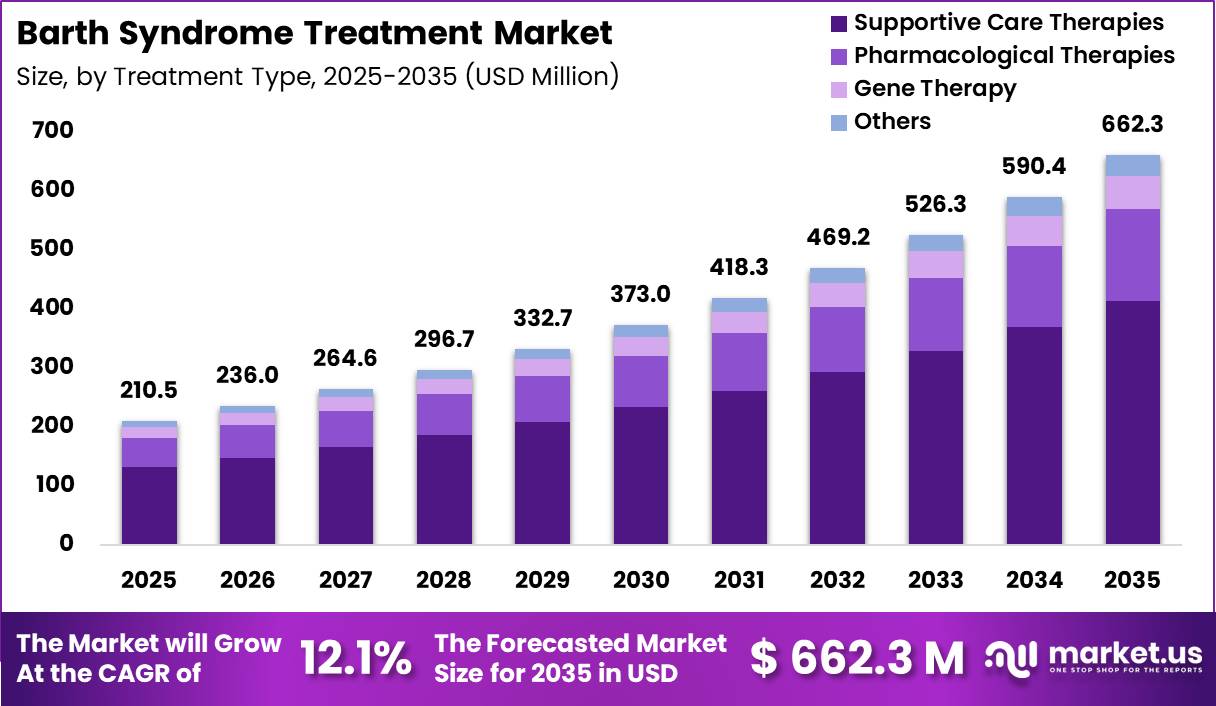
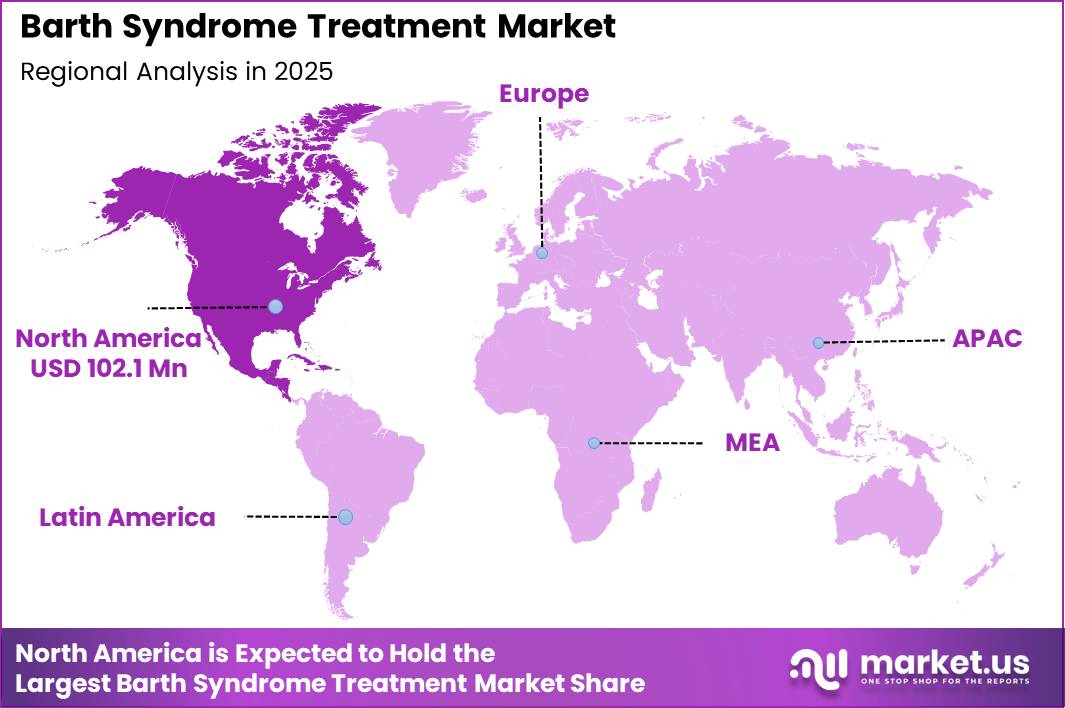
Global Barth Syndrome Treatment Market size is expected to be worth around US$ 662.3 Million by 2035 from US$ 210.5 Million in 2025, growing at a CAGR of 12.1% during the forecast period from 2026 to 2035. In 2025, North America led the market, achieving over 48.5% share with a revenue of US$ 102.1 Million.
The Barth Syndrome therapeutics market represents a highly specialized segment of the rare disease treatment industry, driven by increasing awareness, advances in genetic diagnostics, and the growing focus on developing targeted therapies for mitochondrial disorders. Barth syndrome is a rare X-linked genetic disorder caused by mutations in the TAZ gene, resulting in impaired mitochondrial function.
The disease primarily affects males and is characterized by cardiomyopathy, skeletal myopathy, neutropenia, growth delay, and exercise intolerance. According to the U.S. National Library of Medicine’s MedlinePlus Genetics, Barth syndrome occurs almost exclusively in males and is associated with significant cardiac and immune-system complications.
The rarity of the condition creates a small patient population; however, the substantial unmet medical need has encouraged research institutions, biotechnology companies, and government-supported rare disease programs to invest in therapeutic development. Data published by the National Center for Biotechnology Information (NCBI) indicate that approximately 230–250 individuals with Barth syndrome had been identified globally as of 2020, although experts believe the condition remains underdiagnosed. Earlier epidemiological estimates suggested a prevalence of approximately 1 case per 300,000–400,000 live births.
Historically, treatment has focused on symptom management through heart failure medications, infection control strategies, granulocyte colony-stimulating factor (G-CSF) for neutropenia, nutritional support, and cardiac transplantation in severe cases. Clinical studies have reported that cardiomyopathy occurs in approximately 91%–95% of patients, while neutropenia affects 70%–86% of diagnosed individuals, highlighting the significant burden of disease and the need for disease-modifying therapies.
Market growth is being supported by advances in mitochondrial medicine, increasing adoption of genetic testing, and regulatory incentives for orphan drug development. The therapeutic landscape has also evolved with the emergence of targeted mitochondrial therapies and ongoing clinical research aimed at improving muscle function, cardiac outcomes, and quality of life.
Furthermore, support from rare disease organizations, government-funded research initiatives, and precision medicine programs is expected to strengthen future innovation. As awareness and diagnosis rates improve globally, the Barth Syndrome therapeutics market is anticipated to witness continued research activity and expanding treatment opportunities for this underserved patient population.
Key Takeaways
- Market Size: Global Barth Syndrome Treatment Market size is expected to be worth around US$ 662.3 Million by 2035 from US$ 210.5 Million in 2025.
- Market Share: The market growing at a CAGR of 12.1% during the forecast period from 2026 to 2035.
- Treatment Type Analysis: Supportive Care Therapies accounted for the largest market share of 62.5% in 2025.
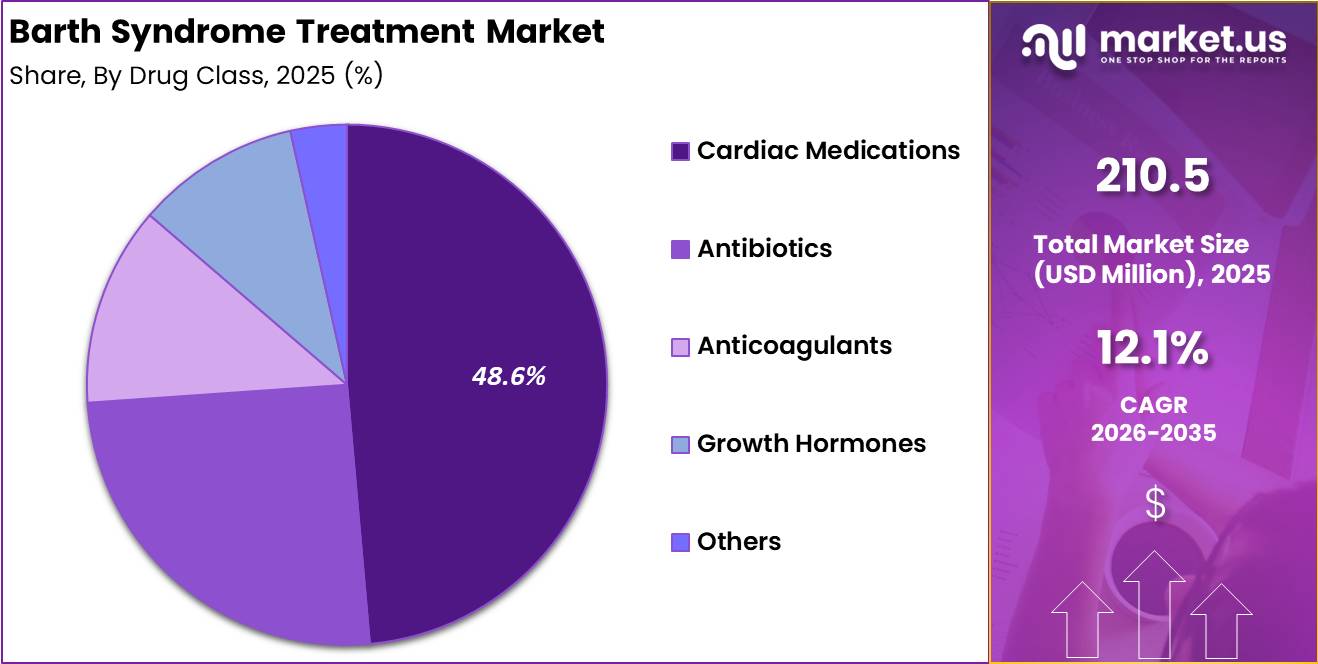
- Drug Class Analysis: Cardiac Medications dominated the market with a 48.6% share in 2025.
- Route of Administration Analysis: Oral administration held the dominant market share of 58.4% in 2025, largely due to its convenience, ease of long-term use, and strong patient compliance.
- End User Analysis: Hospitals dominated the market with a 62.8% share in 2025.
- Regional Analysis: In 2025, North America led the market, achieving over 48.5% share with a revenue of US$ 102.1 Million.
Treatment Type Analysis
The treatment type segment of the Barth Syndrome Treatment Market is categorized into Supportive Care Therapies, Pharmacological Therapies, Gene Therapy, and Others. Supportive Care Therapies accounted for the largest market share of 62.5% in 2025, primarily due to the chronic and multisystem nature of Barth syndrome, which requires continuous management of symptoms rather than curative intervention.
These therapies include nutritional support, physical rehabilitation, cardiac monitoring, infection management, and specialized care programs that improve patient quality of life and reduce disease-related complications. The widespread adoption of supportive care approaches is further supported by established clinical guidelines and the limited availability of disease-modifying treatments.
Pharmacological Therapies represent the second-largest segment, driven by the routine use of medications for managing cardiomyopathy, neutropenia, and associated metabolic abnormalities. Increasing awareness among healthcare professionals and advancements in targeted treatment strategies continue to support segment growth.
Gene Therapy is emerging as a promising treatment category, supported by ongoing research focused on correcting tafazzin gene mutations, the primary cause of Barth syndrome. Although still in developmental stages, gene therapy is expected to create substantial future opportunities. The Others segment includes experimental therapies, investigational treatments, and adjunctive interventions contributing to comprehensive patient management.
Drug Class Analysis
Based on drug class, the Barth Syndrome Treatment Market is segmented into Cardiac Medications, Antibiotics, Anticoagulants, Growth Hormones, and Others. Cardiac Medications dominated the market with a 48.6% share in 2025, owing to the high prevalence of cardiomyopathy and heart failure among Barth syndrome patients.
These medications, including beta-blockers, ACE inhibitors, diuretics, and other heart failure management drugs, remain essential for maintaining cardiac function and reducing disease progression. The significant dependence on long-term cardiovascular management has positioned this segment as the leading revenue contributor.
Antibiotics constitute a substantial segment due to the frequent occurrence of neutropenia-related infections in affected individuals. The need for infection prevention and treatment continues to drive demand for antibiotic therapies. Anticoagulants are utilized in patients with severe cardiac complications and elevated thrombotic risk, supporting moderate market growth.
Growth Hormones have gained clinical relevance in managing growth delays and developmental challenges associated with Barth syndrome, particularly among pediatric patients. Growing recognition of growth-related complications is expected to support segment expansion. The Others category includes nutritional supplements, metabolic agents, and supportive medications that complement primary treatment regimens. Collectively, these drug classes contribute to a comprehensive therapeutic approach aimed at improving survival rates and patient outcomes.
Route of Administration Analysis
The Barth Syndrome Treatment Market, by route of administration, is segmented into Oral, Injectable, and Others. Oral administration held the dominant market share of 58.4% in 2025, largely due to its convenience, ease of long-term use, and strong patient compliance. Most cardiac medications, antibiotics, nutritional supplements, and supportive therapies prescribed for Barth syndrome management are available in oral formulations, making this route the preferred option for both patients and healthcare providers. The ability to facilitate outpatient treatment and reduce hospitalization requirements further supports the segment’s leading position.
Injectable therapies represent the second-largest segment, particularly for patients requiring growth hormone therapy, emergency cardiovascular interventions, intravenous antibiotics, or specialized supportive treatments. Injectable administration remains critical in severe disease cases and hospital-based treatment settings where rapid therapeutic effects are necessary. The growing development of advanced biologics and potential gene therapy products may further strengthen demand for injectable formulations in the future.
The Others segment includes alternative administration methods such as infusion-based treatments, enteral feeding support, and investigational delivery systems used in specialized care settings. While currently accounting for a smaller market share, this segment is expected to benefit from ongoing innovations in rare disease treatment delivery technologies. Overall, route selection is influenced by disease severity, treatment objectives, patient age, and long-term management requirements.
End User Analysis
Based on end user, the Barth Syndrome Treatment Market is segmented into Hospitals, Specialty Clinics, Homecare Settings, and Others. Hospitals dominated the market with a 62.8% share in 2025, supported by their central role in diagnosing, monitoring, and managing complex Barth syndrome cases.
Patients often require multidisciplinary care involving cardiologists, genetic specialists, hematologists, nutritionists, and intensive care teams, making hospitals the primary treatment centers. The availability of advanced diagnostic technologies, emergency care infrastructure, and specialized treatment facilities further strengthens hospital demand.
Specialty Clinics represent an important segment, particularly for ongoing disease monitoring, genetic counseling, and management of rare metabolic disorders. These facilities provide targeted expertise and personalized treatment plans, contributing to improved patient outcomes and continuity of care.
Homecare Settings are experiencing gradual growth as healthcare systems increasingly emphasize patient-centered management and long-term supportive care outside hospital environments. Home-based nutritional support, medication administration, rehabilitation services, and remote monitoring solutions are enhancing treatment accessibility and convenience for patients and caregivers.
The Others segment includes research institutions, rehabilitation centers, and community healthcare facilities involved in supportive disease management. Increasing awareness of rare genetic disorders, combined with expanding healthcare infrastructure and specialized care networks, is expected to support growth across all end-user categories while maintaining hospitals as the dominant treatment setting throughout the forecast period.
Key Market Segments
By Treatment Type
- Supportive Care Therapies
- Pharmacological Therapies
- Gene Therapy
- Others
By Drug Class
- Cardiac Medications
- Antibiotics
- Anticoagulants
- Growth Hormones
- Others
By Route of Administration
- Oral
- Injectable
- Others
By End User
- Hospitals
- Specialty Clinics
- Homecare Settings
- Others
Driving Factors
Advancements in Genetic Diagnosis and Early Disease Identification
One of the primary drivers of the Barth Syndrome treatment market is the increasing adoption of advanced genetic testing and molecular diagnostic technologies. Barth Syndrome is a rare X-linked mitochondrial disorder caused by mutations in the TAFAZZIN (TAZ) gene, making genetic confirmation essential for diagnosis and treatment planning. Historically, the disease was frequently underdiagnosed because its symptoms overlap with other forms of cardiomyopathy and neutropenia.
However, improvements in next-generation sequencing (NGS), whole-exome sequencing, and cardiolipin biomarker testing have enhanced diagnostic accuracy and shortened the time required for disease identification. According to the U.S. National Institutes of Health (NIH), more than 130 disease-causing mutations have been identified in the TAFAZZIN gene, enabling more precise genetic screening and family-based risk assessment.
Trending Factors
Growing Development of Mitochondria-Targeted Therapies
A significant trend shaping the Barth Syndrome treatment market is the growing focus on mitochondria-targeted therapeutic development. Since Barth Syndrome originates from defects in cardiolipin remodeling within mitochondria, research efforts are increasingly directed toward therapies that improve mitochondrial function rather than solely managing symptoms.
Scientific studies have demonstrated that defective tafazzin activity leads to substantial reductions in mature cardiolipin levels, disrupting cellular energy production and contributing to cardiac and muscular dysfunction. Research published through PubMed indicates that tafazzin deficiency can reduce mature cardiolipin levels by as much as 95%, highlighting the importance of mitochondrial restoration strategies. Consequently, investigational treatments such as cardiolipin-stabilizing agents, mitochondrial peptide therapies, and gene-based approaches are gaining attention.
Academic research institutions, rare disease foundations, and biotechnology developers are investing in precision medicine programs aimed at correcting the underlying metabolic abnormalities associated with the disorder. The trend is further supported by increasing utilization of biomarker-driven clinical studies and rare disease registries that facilitate patient monitoring and treatment evaluation.
As healthcare systems place greater emphasis on disease-modifying therapies for orphan diseases, mitochondria-focused therapeutic innovation is expected to become a central element of future Barth Syndrome management strategies.
Restraining Factors
Extremely Small Patient Population and Limited Clinical Data
The major restraint affecting the Barth Syndrome treatment market is the exceptionally small patient population, which limits commercial viability and clinical research opportunities. Barth Syndrome is classified as an ultra-rare disorder, resulting in a restricted pool of patients available for clinical trials, epidemiological studies, and long-term therapeutic assessments.
According to NIH-supported resources and peer-reviewed medical literature, fewer than 200 living males with confirmed Barth Syndrome have been identified worldwide, despite evidence suggesting that many cases remain undiagnosed. The limited number of diagnosed patients creates challenges in recruiting participants for clinical studies and generating statistically robust efficacy data. Pharmaceutical developers often face high research and development costs relative to the potential market size, reducing incentives for extensive investment.
Additionally, disease heterogeneity complicates treatment evaluation because patients may exhibit varying degrees of cardiomyopathy, neutropenia, growth delay, and muscular weakness. Regulatory approval processes frequently require substantial evidence regarding safety and effectiveness, yet the rarity of the disease makes comprehensive datasets difficult to obtain. These factors collectively slow therapeutic development, restrict treatment availability, and increase the cost burden associated with bringing novel Barth Syndrome therapies to market.
Opportunity
Expansion of Gene Therapy and Rare Disease Funding Programs
A major opportunity within the Barth Syndrome treatment market lies in the expansion of gene therapy research and government-supported rare disease initiatives. Since Barth Syndrome results from mutations in a single gene, it represents a suitable candidate for gene replacement and gene-editing approaches designed to address the root cause of the disorder.
GeneReviews and NIH resources identify TAFAZZIN dysfunction as the primary molecular mechanism responsible for disease progression, creating a clear therapeutic target for precision medicine development. Governments and healthcare agencies worldwide are increasing support for rare disease innovation through orphan drug incentives, grants, tax credits, and accelerated regulatory pathways.
The U.S. Food and Drug Administration and NIH continue to encourage rare disease research programs aimed at addressing unmet medical needs. Additionally, cardiomyopathy affects approximately 70% of Barth Syndrome patients during the first year of life, emphasizing the need for effective disease-modifying treatments. Advances in viral vector technologies, genome engineering platforms, and RNA-based therapeutics are improving the feasibility of long-term corrective interventions.
As rare disease funding expands and gene therapy platforms mature, opportunities are expected to emerge for transformative treatments capable of improving survival, cardiac outcomes, and quality of life among patients with Barth Syndrome.
Regional Analysis
North America dominated the Barth Syndrome Treatment Market in 2025, accounting for more than 48.5% of the global market share and generating revenue of approximately US$ 102.1 million. The region’s leadership can be attributed to its advanced healthcare infrastructure, strong presence of specialized treatment centers, and high adoption of innovative therapies for rare genetic disorders. Increased awareness among healthcare professionals and patients has supported earlier diagnosis and improved disease management, contributing to market growth.
The United States represents the largest contributor within North America due to substantial investments in rare disease research, favorable reimbursement policies, and active participation of pharmaceutical and biotechnology companies in developing targeted treatments. Government initiatives supporting orphan drug development and regulatory incentives have further accelerated the introduction of novel therapeutic options for Barth syndrome patients.
Canada also contributes to regional market expansion through growing access to genetic testing services and increasing healthcare expenditure directed toward rare disease management. The availability of patient support programs and collaborations between research institutions and healthcare organizations has strengthened treatment accessibility across the region.
Furthermore, ongoing clinical trials, advancements in precision medicine, and expanding genetic screening programs are expected to sustain North America’s leading position throughout the forecast period. The region continues to benefit from a well-established regulatory framework and strong funding for rare disease research, creating favorable conditions for continued innovation and market development in Barth syndrome treatment.
Key Regions and Countries
North America
- The US
- Canada
Europe
- Germany
- France
- The U.K.
- Italy
- Spain
- Russia & CIS
- Rest of Europe
Asia Pacific
- China
- India
- Japan
- South Korea
- ASEAN
- Australia & New Zealand
- Rest of Asia Pacific
Middle East & Africa
- GCC
- South Africa
- Rest of Middle East & Africa
Latin America
- Brazil
- Mexico
- Rest of Latin America
Key Players Analysis
The Barth Syndrome Treatment Market is characterized by the presence of a limited number of specialized biotechnology and pharmaceutical companies focused on rare disease therapeutics. Key players are actively engaged in developing innovative treatment approaches targeting the underlying genetic and mitochondrial dysfunction associated with Barth syndrome.
Strategic investments in research and development, orphan drug designations, and collaborations with academic institutions and patient advocacy organizations are supporting product development activities. Companies are prioritizing clinical trials to evaluate the safety and efficacy of novel therapies, including gene therapies, metabolic modulators, and supportive treatment options.
Market participants are also benefiting from regulatory incentives provided for rare disease drug development, which accelerate approval pathways and enhance commercial viability. Competitive dynamics are influenced by technological advancements in genetic medicine and increasing awareness of rare mitochondrial disorders. As the patient population remains relatively small, companies are focusing on precision medicine strategies and expanding global access initiatives to strengthen their market position and long-term growth prospects.
Market Key Players
- Stealth BioTherapeutics Corp.
- Barth Syndrome Foundation
- Pfizer Inc.
- Novartis AG
- Merck & Co., Inc.
- Eli Lilly and Company
- Bristol-Myers Squibb Company
- Sanofi S.A.
- Takeda Pharmaceutical Company Limited
- Amgen Inc.
- Bayer AG
- Johnson & Johnson
- Roche Holding AG
- AstraZeneca plc
- GlaxoSmithKline plc
- Others
Recent Developments
- June 2026 – Eli Lilly and Company Eli Lilly entered a licensing agreement with Ascidian Therapeutics valued at up to US$ 1.9 billion to develop therapies for rare inherited diseases using RNA exon-editing technology. Although focused on kidney disorders, the deal highlights Lilly’s growing commitment to genetic and rare disease medicine, a therapeutic area closely aligned with future opportunities in ultra-rare disorders such as Barth Syndrome.
- May 2025 – Stealth BioTherapeutics received a Complete Response Letter (CRL) from the U.S. FDA for its New Drug Application (NDA) for elamipretide in Barth syndrome. The agency outlined a potential accelerated approval pathway based on previously submitted clinical data, prompting the company to advance regulatory discussions and prepare for resubmission. This development represented a significant regulatory milestone in the commercialization journey of the therapy.
- September 2025 – Barth Syndrome Foundation publicly welcomed the FDA approval of FORZINITY™ and acknowledged its long-standing collaboration with Stealth BioTherapeutics and the broader patient community. The Foundation highlighted the approval as a major advancement in addressing a disease area that previously had no approved treatment options.
- June 2025 – Sanofi announced an agreement to acquire Blueprint Medicines, expanding its rare disease and immunology portfolio. While not directly focused on Barth Syndrome, the acquisition demonstrates increasing pharmaceutical investment in rare disease therapeutics, an area that could positively influence future orphan disease innovation.
Report Scope
| Report Features | Description |
|---|---|
| Market Value (2025) | US$ 210.5 Million |
| Forecast Revenue (2035) | US$ 662.3 Million |
| CAGR (2026-2035) | 48.5% |
| Base Year for Estimation | 2025 |
| Historic Period | 2020-2024 |
| Forecast Period | 2026-2035 |
| Report Coverage | Revenue Forecast, Market Dynamics, Competitive Landscape, Recent Developments |
| Segments Covered | By Treatment Type (Supportive Care Therapies, Pharmacological Therapies, Gene Therapy, Others) By Drug Class (Cardiac Medications, Antibiotics, Anticoagulants, Growth Hormones, Others) By Route of Administration (Oral, Injectable, Others) By End User (Hospitals, Specialty Clinics, Homecare Settings, Others) |
| Regional Analysis | North America – The US, Canada; Europe – Germany, France, U.K., Italy, Spain, Russia & CIS, Rest of Europe; Asia Pacific – China, India, Japan, South Korea, ASEAN, Australia & New Zealand, Rest of Asia Pacific; Middle East & Africa – GCC, South Africa, Rest of Middle East & Africa; Latin America – Brazil, Mexico, Rest of Latin America |
| Competitive Landscape | Stealth BioTherapeutics Corp., Barth Syndrome Foundation, Pfizer Inc., Novartis AG, Merck & Co., Inc., Eli Lilly and Company, Bristol-Myers Squibb Company, Sanofi S.A., Takeda Pharmaceutical Company Limited, Amgen Inc., Bayer AG, Johnson & Johnson, Roche Holding AG, AstraZeneca plc, GlaxoSmithKline plc, Others, |
| Customization Scope | Customization for segments, region/country-level will be provided. Moreover, additional customization can be done based on the requirements. |
| Purchase Options | We have three licenses to opt for: Single User License, Multi-User License (Up to 5 Users), Corporate Use License (Unlimited User and Printable PDF) |





































