


Global Micellar Casein Market By Product Type (Micellar Casein Isolate, Micellar Casein Concentrated), By Flavor (Chocolate, Vanilla, Unflavored, Others), By Application (Nutritional Beverages, Bakery, Nutritional Powders and Bars, Dairy Products, Infant Formulas, Others), By Distribution Channel (Hypermarkets/Supermarkets, Convenience Stores, Specialty Stores, Online, Others) , By Region and Companies - Industry Segment Outlook, Market Assessment, Competition Scenario, Trends and Forecast: 2024-2033
- Published date: Dec 2024
- Report ID: 134664
- Number of Pages: 352
- Format:
-
keyboard_arrow_up
Quick Navigation
Report Overview
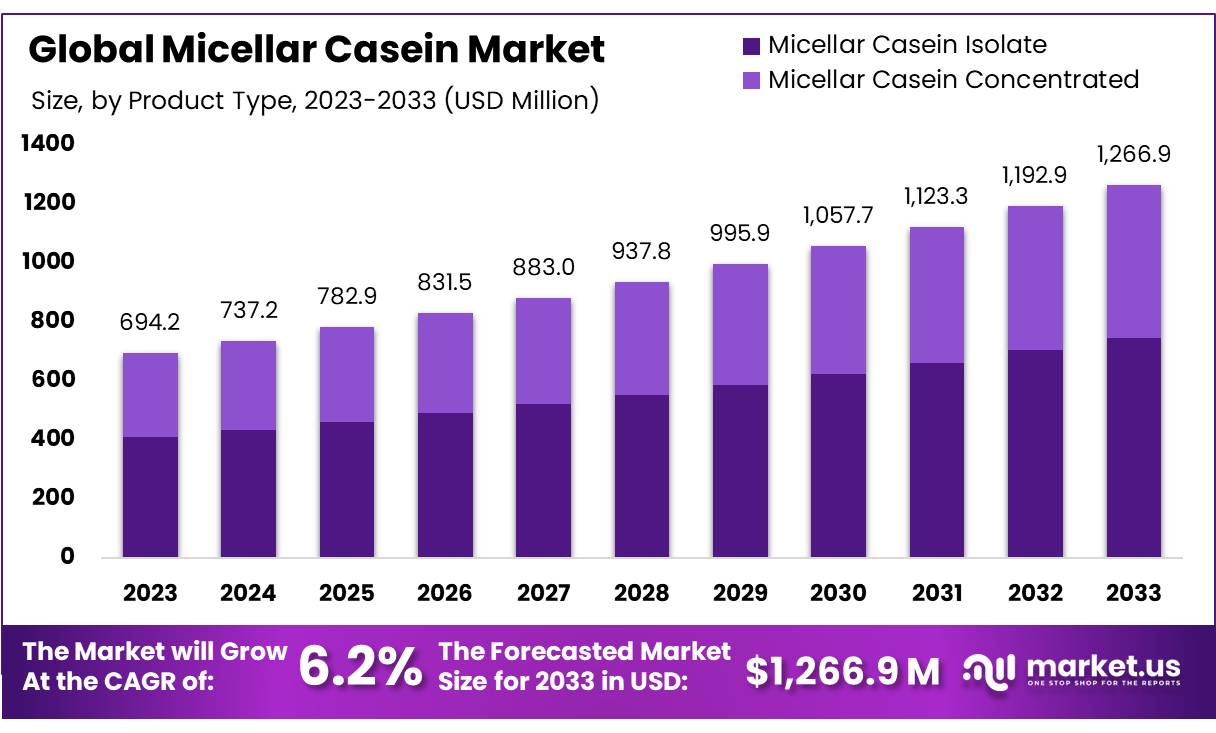
The Global Micellar Casein Market size is expected to be worth around USD 1266.9 Mn by 2033, from USD 694.2 Mn in 2023, growing at a CAGR of 6.2% during the forecast period from 2024 to 2033.
Micellar casein is a high-quality, slow-digesting protein naturally found in milk. It is extracted through a special filtration process that preserves its natural structure and molecular composition, unlike other types of casein that may undergo processing which alters their molecular form.
Micellar casein is known for its ability to release amino acids slowly into the bloodstream, making it an excellent protein source for prolonged muscle repair and growth. This makes it a popular ingredient in sports nutrition products, protein supplements, and infant formula.
Micellar casein is a globally traded commodity, with major markets in Europe, North America, and Asia. The European Union (EU) is one of the largest importers of dairy ingredients, including micellar casein. In 2023, the EU held around 30% of the global import market for dairy proteins.
New Zealand and Australia are the primary exporters of micellar casein, together accounting for over 40% of global exports. In 2022, New Zealand’s dairy exports, led by the cooperative Fonterra, contributed about USD 17.5 billion in earnings from various dairy products, including micellar casein.
The U.S. also plays a significant role in the trade of micellar casein, particularly in the production of protein supplements and functional foods. The U.S. Dairy Export Council reports that the U.S. exports approximately USD 5 billion worth of dairy products annually, a significant portion of which is derived from casein and whey protein.
Micellar casein’s slow-release properties are particularly valued in applications where sustained protein delivery is crucial, such as during overnight recovery or for people seeking long-term muscle support. Due to these benefits, micellar casein is widely used in protein powders and specialized nutrition products designed for athletes, bodybuilders, and growing infants.
Micellar casein is subject to rigorous government regulations in major markets to ensure product safety, nutritional quality, and accurate labeling. In the EU, the European Food Safety Authority (EFSA) sets the standards for the safety and nutritional claims of dairy products, including micellar casein. It must meet strict health and safety regulations regarding allergens and composition, particularly when used in infant nutrition.
In the U.S., micellar casein falls under the FDA’s regulation for dairy products, where it must comply with guidelines for food safety, labeling, and nutritional content. Specific requirements are outlined for the inclusion of proteins in infant formulas, ensuring they meet the nutritional standards set by the Infant Formula Act.
In Australia, micellar casein is regulated by the Food Standards Australia New Zealand (FSANZ), which sets guidelines for safe usage in food products. This includes ensuring the protein is free from contaminants and properly labeled, particularly when used in nutrition products for infants and young children.
The demand for micellar casein has been increasing, particularly in the sports nutrition and infant formula sectors. As health-conscious consumers seek more sustainable and slow-digesting protein options, companies are innovating with new micellar casein-based products.
Key Takeaways
- Micellar Casein Market size is expected to be worth around USD 1266.9 Mn by 2033, from USD 694.2 Mn in 2023, growing at a CAGR of 6.2%.
- Micellar Casein Isolate held a dominant market position, capturing more than a 59.1% share of the micellar casein market.
- Chocolate held a dominant market position, capturing more than a 37.3% share of the micellar casein market.
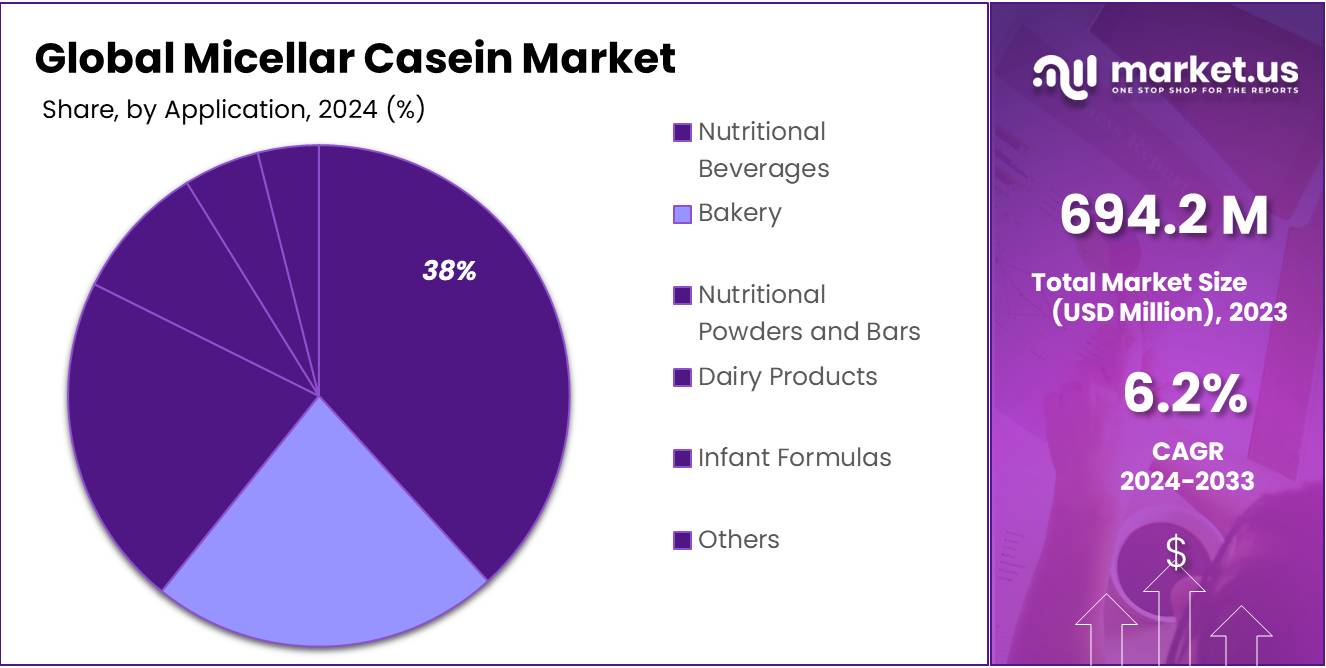
- Nutritional Beverages held a dominant market position, capturing more than a 39.3% share of the micellar casein market.
- Hypermarkets/Supermarkets held a dominant market position, capturing more than a 49.4% share.
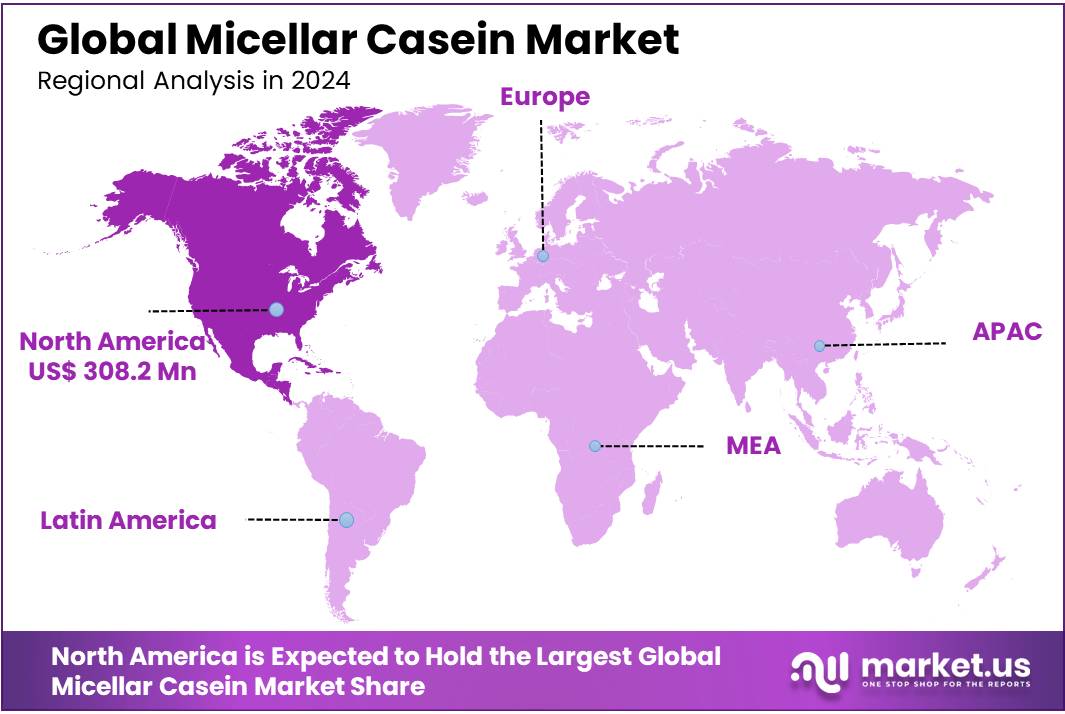
- North America emerged as the dominant region in the micellar casein market, holding a substantial 35.4% share, which translates to approximately USD 1.6 billion.
By Product Type
In 2023, Micellar Casein Isolate held a dominant market position, capturing more than a 59.1% share of the micellar casein market. This segment’s growth is primarily driven by the high protein content and purity of micellar casein isolate.
It is preferred in the sports nutrition industry due to its ability to provide a high concentration of protein with minimal fats and carbohydrates. The isolate form is often used in protein powders, meal replacements, and nutritional supplements, making it a popular ch
oice among athletes and fitness enthusiasts.
Micellar Casein Concentrate followed as the second-largest segment in the market. While it contains slightly lower protein levels than isolates, it offers a more affordable option for consumers. The concentrate form is widely used in dairy-based products, including yogurts, cheeses, and certain types of infant formulas. The higher fat and carbohydrate content in the concentrate form also contribute to a creamier texture, making it more suitable for use in food products where texture is important.
By Flavor
In 2023, Chocolate held a dominant market position, capturing more than a 37.3% share of the micellar casein market. This flavor is highly popular due to its wide appeal among consumers, particularly in protein supplements and meal replacement products. Chocolate-flavored micellar casein is favored for its taste and versatility, making it a go-to choice for athletes and fitness enthusiasts who consume protein regularly. The flavor is also commonly used in beverages, smoothies, and desserts, helping to drive its strong market presence.
Vanilla followed closely as a popular choice, holding a significant share of the market. Vanilla is often selected for its neutral and mild flavor, which blends well with a variety of other ingredients. It is commonly used in both protein powders and dairy products, offering a familiar taste that appeals to a broad range of consumers, including those who are looking for a less intense flavor than chocolate.
Unflavored micellar casein, while a smaller segment, has gained traction among health-conscious consumers who prefer a natural, unaltered product. This flavor is often chosen by those who mix their protein with other ingredients or want to avoid added sugars and artificial flavorings. It is also popular in the infant nutrition sector, where neutral flavors are preferred.
By Application
In 2023, Nutritional Beverages held a dominant market position, capturing more than a 39.3% share of the micellar casein market. This segment’s strong performance is driven by the increasing popularity of protein-enriched drinks, especially in the fitness and wellness sectors.
Nutritional beverages, such as protein shakes and ready-to-drink protein drinks, are commonly consumed by athletes, gym-goers, and health-conscious consumers looking for convenient and effective ways to supplement their protein intake. The slow-digesting properties of micellar casein make it ideal for inclusion in these beverages, providing sustained energy and muscle recovery benefits.
Bakery products followed as a growing application for micellar casein. The inclusion of casein in baked goods, such as protein-enriched bread, muffins, and cakes, is becoming more common as consumers seek higher-protein alternatives in everyday foods. Micellar casein’s ability to improve texture and moisture retention in baked goods adds to its appeal. The bakery segment is gaining traction as part of the broader trend toward functional foods that provide additional health benefits, including improved protein intake.
Nutritional Powders and Bars are another significant application, capturing a large share of the market. Micellar casein is frequently used in protein bars and powders, where it adds a slow-release protein option to help sustain energy levels throughout the day. These products are particularly popular among athletes and individuals with busy lifestyles, who need convenient, portable protein sources.
Dairy Products also account for a significant portion of the micellar casein market. The protein’s compatibility with dairy-based foods like yogurt, cheese, and smoothies drives its use in the dairy industry. Micellar casein enhances the protein content and texture of these products, making them more appealing to health-conscious consumers.
Infant Formulas are a key application of micellar casein. With its slow-digesting properties, it provides a more natural alternative to other protein sources in infant nutrition, which is driving its adoption in specialized baby food products.
By Distribution Channel
In 2023, Hypermarkets/Supermarkets held a dominant market position, capturing more than a 49.4% share of the micellar casein market. These large retail chains are key distribution channels for micellar casein products, especially in developed markets where consumers frequently visit for convenience and variety.
Supermarkets and hypermarkets offer a wide range of micellar casein-based products, such as protein powders, meal replacements, and ready-to-drink beverages, making it easier for consumers to access these products in one location. Additionally, these stores often run promotions and discounts, attracting price-sensitive consumers looking for high-quality protein supplements.
Convenience Stores followed as a smaller, yet growing, distribution channel. With the increasing demand for quick and accessible protein snacks, convenience stores are becoming an important point of sale for micellar casein products. Consumers who need a quick protein fix while on the go often turn to these stores for protein bars and beverages that contain micellar casein. The convenience store segment is expected to see continued growth, particularly in urban areas where fast-paced lifestyles drive demand for ready-to-consume nutritional products.
Specialty Stores are another key distribution channel, particularly for consumers seeking premium or niche products. These stores typically cater to health-conscious buyers and those looking for specific dietary products, such as gluten-free or organic options. The demand for micellar casein in specialty stores is driven by the growing consumer interest in functional foods and sports nutrition.
The Online segment is also rapidly growing as e-commerce platforms provide easy access to a wide range of micellar casein-based products. Online retail has become increasingly popular for consumers seeking convenience, competitive prices, and the ability to compare different brands.
Key Market Segments
By Product Type
- Micellar Casein Isolate
- Micellar Casein Concentrated
By Flavor
- Chocolate
- Vanilla
- Unflavored
- Others
By Application
- Nutritional Beverages
- Bakery
- Nutritional Powders and Bars
- Dairy Products
- Infant Formulas
- Others
By Distribution Channel
- Hypermarkets/Supermarkets
- Convenience Stores
- Specialty Stores
- Online
- Others
Drivers
Growing Demand for High-Protein Functional Foods
One of the primary driving factors for the micellar casein market is the increasing consumer demand for high-protein functional foods. This trend is particularly strong among health-conscious individuals, athletes, and those seeking to manage weight or muscle health.
According to the Food and Agriculture Organization (FAO), the global protein ingredients market is expected to grow at a CAGR of 6.1%, reaching USD 43.5 billion by 2027. This growth is largely driven by the rising popularity of protein-enriched products such as protein powders, meal replacements, and protein bars, many of which use micellar casein due to its slow-digesting properties.
Micellar casein is particularly sought after because it offers sustained amino acid release, making it a favorite among athletes for post-workout recovery and muscle maintenance.
The European Food Safety Authority (EFSA) reports that the demand for slow-digesting proteins has increased by 15% over the past five years, with micellar casein becoming a key ingredient in protein supplements aimed at improving muscle protein synthesis. This increasing interest in slow-digesting proteins aligns with the growing trend of functional foods, which are designed to provide additional health benefits beyond basic nutrition.
Shift Towards Healthier and More Natural Ingredients
Consumers are becoming more selective about the ingredients in their food, pushing demand for natural, minimally processed products. The International Dairy Federation (IDF) has highlighted that micellar casein’s natural protein structure, which is minimally processed compared to other protein isolates, is a major factor behind its growing popularity in the food industry.
The organic food sector, including organic protein products, has been growing at a rapid pace. The Organic Trade Association (OTA) reports that organic food sales in the U.S. reached a record USD 61.9 billion in 2022, with a large portion of this growth attributed to dairy-based protein products, including micellar casein. This is fueling the demand for high-quality, naturally sourced proteins, which align with the increasing trend of clean eating and healthier lifestyles.
Support from Sports and Fitness Industry
The sports and fitness industry continues to be a major driver of the micellar casein market. According to the International Society of Sports Nutrition (ISSN), slow-digesting proteins like micellar casein are preferred by athletes and bodybuilders for muscle recovery, as they provide a steady release of amino acids over several hours, preventing muscle breakdown during rest periods.
Additionally, government and health organizations are increasingly endorsing protein-based nutrition for overall health and wellness. In many countries, public health guidelines emphasize the importance of protein intake for muscle health, particularly for older adults and athletes.
The World Health Organization (WHO) has acknowledged the importance of protein consumption for maintaining muscle mass and strength, contributing to the growing interest in protein supplements like those containing micellar casein. This endorsement is likely to drive even more consumers towards protein-based nutritional products.
Rising Adoption of Micellar Casein in Infant Nutrition
The World Health Organization (WHO) has emphasized the importance of providing infants with nutrient-rich formulas that support growth and development. Micellar casein, with its ability to provide a steady release of essential amino acids, is increasingly being incorporated into premium infant formulas.
Restraints
High Cost of Production and Consumer Price Sensitivity
One of the major restraining factors for the micellar casein market is the high cost of production, which ultimately affects the pricing of end products. Micellar casein is a premium protein ingredient, and the production process to isolate and concentrate this protein from milk is more complex compared to other protein types like whey. This results in higher costs, which can limit its affordability for price-sensitive consumers.
According to the U.S. Department of Agriculture (USDA), the cost of producing high-quality micellar casein is approximately 30-40% higher than that of standard casein or whey protein. As a result, products containing micellar casein, such as protein powders, bars, and nutritional beverages, often come with a premium price tag.
This price sensitivity is particularly pronounced in emerging markets, where consumers may prioritize lower-cost protein alternatives. The World Bank reports that per capita income in developing regions like Sub-Saharan Africa and parts of Asia is much lower compared to developed markets.
For instance, in countries like India and Indonesia, the average income per capita is approximately USD 1,800 and USD 3,500 annually, respectively, making it harder for many consumers to afford premium-priced nutritional products like those containing micellar casein. This income disparity further limits the growth potential of micellar casein in these regions.
Limited Awareness and Knowledge Among Consumers
Another significant restraining factor for the micellar casein market is the limited awareness and understanding among consumers regarding the benefits and applications of micellar casein. While athletes and fitness enthusiasts are generally well-versed in the benefits of slow-digesting proteins, the broader consumer base still lacks knowledge about the advantages of micellar casein over other protein sources.
A study by the Food and Agriculture Organization (FAO) indicates that while the awareness of protein supplements is rising globally, only about 18% of consumers in emerging markets are familiar with specialized proteins like micellar casein.
This knowledge gap is particularly evident in regions like Latin America and Southeast Asia, where traditional proteins such as soy and whey are more commonly recognized. As a result, even though micellar casein is a preferred choice for certain applications such as muscle recovery, it faces limited consumer penetration in these regions.
The lack of targeted educational campaigns or information from manufacturers also contributes to this issue. The Food Safety and Standards Authority of India (FSSAI) has acknowledged this challenge and has called for more consumer education on functional food ingredients to enhance market adoption.
Stringent Regulatory Requirements and Compliance Costs
Regulatory barriers and compliance with food safety standards represent another challenge for the growth of the micellar casein market. The European Food Safety Authority (EFSA) and the U.S. Food and Drug Administration (FDA) have stringent regulations in place for the use of dairy ingredients in infant formulas and other food products.
In Europe, for example, it is required that any dairy-based product, including infant formula, meet specific standards related to protein digestibility and nutritional content. This increases the overall cost of manufacturing, as companies must invest in ensuring their products comply with these rigorous standards.
The U.S. Department of Agriculture (USDA) also enforces strict regulations on dairy production, including the approval of milk used for protein extraction. The compliance costs associated with these regulations can be substantial for producers, especially smaller companies, and can limit their ability to introduce new products or expand into new markets.
Opportunity
Rising Demand for Plant-Based Protein Supplements
A significant growth opportunity for the micellar casein market is its increasing incorporation into plant-based and hybrid protein supplements. With the growing trend of plant-based diets, many consumers are turning to plant-based protein alternatives for health, environmental, and ethical reasons. However, plant-based proteins often lack certain amino acids or digestibility properties found in animal-based proteins like micellar casein.
The European Food Safety Authority (EFSA) reports that demand for mixed protein formulations has seen a 12% increase annually, especially among fitness enthusiasts and consumers with dietary restrictions. This growth presents a significant opportunity for micellar casein producers to expand their market share and cater to the evolving consumer needs.
Expanding Use in Sports Nutrition and Weight Management Products
According to the International Society of Sports Nutrition (ISSN), the global sports nutrition market is projected to reach USD 48.5 billion by 2027, growing at a CAGR of 9.2%. As part of this trend, micellar casein has found a prominent place in protein powders, shakes, and meal replacement bars designed for active consumers.
In weight management, micellar casein’s ability to keep individuals feeling full for longer periods makes it a popular choice in products targeting weight loss or maintenance. Products like protein-enriched meal replacements and low-calorie snacks have driven a surge in demand for micellar casein.
The World Health Organization (WHO) indicates that the global market for weight management and weight loss supplements is expected to exceed USD 30 billion by 2025, further underlining the significant opportunity for micellar casein suppliers to expand their offerings in this rapidly growing market.
Increasing Investment in Research and Innovation for Health Benefits
Governments and private organizations are also investing in innovation within the dairy industry to boost the nutritional profile of products containing micellar casein. For instance, the U.S. Department of Agriculture (USDA) and National Institutes of Health (NIH) have allocated funding for projects that explore how micellar casein can benefit overall health, particularly in aging populations.
Trends
Increasing Incorporation in Plant-Based and Non-Dairy Alternatives
The Food and Agriculture Organization (FAO) highlights that the global plant-based food market is expected to grow at a CAGR of 11.9% through 2028, with protein-enriched products leading this trend. Micellar casein is being added to products like non-dairy yogurts, cheeses, and protein beverages to improve their texture and nutrient content, particularly for those seeking higher protein intake without fully committing to animal-based products.
Focus on Clean Label and Natural Ingredients
Another trend is the growing focus on clean label and natural ingredients within the food industry. Consumers are increasingly scrutinizing product labels and preferring items with fewer artificial additives and more natural components.
According to the U.S. Food and Drug Administration (FDA), there has been a surge in demand for clean label products, with 73% of U.S. consumers willing to pay a premium for foods with ingredients they recognize and trust. Micellar casein fits well into this category due to its minimal processing, which preserves its natural structure and makes it a preferred ingredient in premium health and wellness products.
Expansion in Functional Snacking
Functional snacking is emerging as a significant trend where consumers look for snacks that not only satisfy hunger but also provide health benefits, such as weight management, improved digestive health, and enhanced physical performance.
The International Food Information Council (IFIC) reports that 64% of consumers globally are now choosing snacks based on their health benefits, with high protein content being one of the top considerations. Micellar casein, known for its slow-digesting properties, is becoming a popular ingredient in functional snack products, such as protein bars and slow-release energy snacks, which appeal to consumers looking to manage their appetite and sustain energy levels throughout the day.
Technological Innovations in Protein Formulations
The micellar casein market is also benefiting from technological innovations in protein formulations. Advances in food technology have enabled the development of new micellar casein applications in food and beverage products, improving its solubility, stability, and taste profile. This has expanded its use beyond traditional protein powders to a broader range of consumer goods, including infant formulas, senior nutrition products, and medical foods.
As noted by the World Health Organization (WHO), there is increasing interest in developing specialized nutrition products that cater to the specific needs of different age groups and health conditions, providing another growth avenue for micellar casein.
Regional Analysis
In 2023, North America emerged as the dominant region in the micellar casein market, holding a substantial 35.4% share, which translates to approximately USD 1.6 billion in market value. This leadership is primarily driven by the region’s robust sports nutrition industry and a significant consumer base focused on health and wellness.
The U.S. leads within this region, with its highly developed dietary supplement market and strong consumer awareness about the benefits of protein in diet management and muscle health. North America’s dominance is further supported by advanced food processing technologies and a well-established dairy industry, facilitating the production and distribution of high-quality micellar casein products.
Europe follows closely, characterized by a growing demand for premium protein products and stringent food safety regulations that favor high-quality, clean-label ingredients like micellar casein. The region’s focus on sports nutrition and healthy lifestyles, particularly in countries like Germany, the UK, and France, supports the expansion of the micellar casein market. European consumers’ preference for non-GMO and organic products also contributes significantly to the demand for naturally sourced micellar casein.
The Asia Pacific region presents the fastest growth potential, driven by increasing income levels and the expanding middle class, particularly in China and India. These factors are coupled with a growing awareness of health and wellness and rising fitness trends among the population. The market here benefits from the increasing incorporation of micellar casein in traditional and western-inspired food products.
Meanwhile, Latin America and the Middle East & Africa are witnessing gradual growth. These regions are exploring the use of advanced dairy ingredients due to rising health consciousness among consumers and improvements in local dairy production capabilities. The demand in these areas is expected to rise with the increasing urbanization and the influence of Western dietary habits.
Key Regions and Countries
- North America
- US
- Canada
- Europe
- Germany
- France
- The UK
- Spain
- Italy
- Rest of Europe
- Asia Pacific
- China
- Japan
- South Korea
- India
- Australia
- Rest of APAC
- Latin America
- Brazil
- Mexico
- Rest of Latin America
- Middle East & Africa
- South Africa
- Saudi Arabia
- UAE
- Rest of MEA
Key Players Analysis
The Micellar Casein Market is highly competitive, with several key players contributing to its growth across different regions. AMCO Proteins, a leading player in protein-based solutions, is known for offering high-quality micellar casein that is used in various applications, including nutritional supplements and functional foods.
Arla Foods Ingredients Group P/S has also established a strong position in the market by supplying micellar casein for both food and beverage products, catering to the growing demand for high-protein, natural ingredients. As a cooperative, Fonterra is one of the largest dairy producers globally, and its focus on providing premium dairy ingredients like micellar casein helps meet the rising demand for high-quality proteins in nutrition products.
Other prominent companies such as Glanbia Nutritionals, Inc., FrieslandCampina Domo, and Groupe Lactalis also dominate the micellar casein market. Glanbia stands out for its innovation in nutritional ingredients, with a diverse portfolio that includes micellar casein for sports nutrition and meal replacements.
FrieslandCampina Domo provides an array of dairy-based ingredients, including micellar casein, that are integral in functional foods and beverages. Groupe Lactalis, a major dairy player, continues to invest in the development and distribution of high-quality micellar casein to meet global demand for protein-enriched foods.
In addition to these, Milk Specialties Global and Leprino Foods Company are also key players focusing on the production and supply of micellar casein to the food industry, while smaller players such as Nutrimed Healthcare Private Limited and ProteinCo are gaining traction in niche markets. With increasing demand for high-protein foods and beverages, the competition among these companies is expected to intensify as they continue to innovate and expand their product portfolios.
Top Key Players in the Market
- AMCO Proteins
- Arla Foods Ingredients Group P/S
- Fonterra Cooperative Group
- Freedom Foods Group Limited
- Friesland Campina Domo
- FrieslandCampina Domo
- Glanbia Nutritionals, Inc.
- Groupe Lactalis
- Havero Hoogwegt B.V.
- Idhao Milk Products
- Ingredia SA
- Leprino Foods Company
- Milk Specialties Global
- Molkerei MEGGLE Wasserburg GmbH & Co.KG
- New Culture
- Nutrimed Healthcare Private Limited
- ProteinCo
- The Milky Whey, Inc.
Recent Developments
In 2024, AMCO has strengthened its presence in both the U.S. and international markets, with an estimated revenue of USD 250 million from dairy protein-based products.
In 2023, Arla Foods Ingredients saw a revenue of approximately EUR 1.6 billion from its global dairy ingredient business, with a significant portion of this revenue coming from high-quality proteins like micellar casein.
Report Scope
Report Features Description Market Value (2023) USD {{val1}} Forecast Revenue (2033) USD {{val2}} CAGR (2024-2033) {{cagr}}% Base Year for Estimation 2023 Historic Period 2019-2022 Forecast Period 2024-2033 Report Coverage Revenue Forecast, Market Dynamics, Competitive Landscape, Recent Developments Segments Covered By Product Type (Micellar Casein Isolate, Micellar Casein Concentrated), By Flavor (Chocolate, Vanilla, Unflavored, Others), By Application (Nutritional Beverages, Bakery, Nutritional Powders and Bars, Dairy Products, Infant Formulas, Others), By Distribution Channel (Hypermarkets/Supermarkets, Convenience Stores, Specialty Stores, Online, Others) Regional Analysis North America – US, Canada; Europe – Germany, France, The UK, Spain, Italy, Rest of Europe; Asia Pacific – China, Japan, South Korea, India, Australia, Singapore, Rest of APAC; Latin America – Brazil, Mexico, Rest of Latin America; Middle East & Africa – South Africa, Saudi Arabia, UAE, Rest of MEA Competitive Landscape AMCO Proteins, Arla Foods Ingredients Group P/S, Fonterra Cooperative Group, Freedom Foods Group Limited, Friesland Campina Domo, FrieslandCampina Domo, Glanbia Nutritionals, Inc., Groupe Lactalis, Havero Hoogwegt B.V., Idhao Milk Products, Ingredia SA, Leprino Foods Company, Milk Specialties Global, Molkerei MEGGLE Wasserburg GmbH & Co.KG, New Culture, Nutrimed Healthcare Private Limited, ProteinCo, The Milky Whey, Inc. Customization Scope Customization for segments, region/country-level will be provided. Moreover, additional customization can be done based on the requirements. Purchase Options We have three licenses to opt for: Single User License, Multi-User License (Up to 5 Users), Corporate Use License (Unlimited User and Printable PDF) 
-
-
- AMCO Proteins
- Arla Foods Ingredients Group P/S
- Fonterra Cooperative Group
- Freedom Foods Group Limited
- Friesland Campina Domo
- FrieslandCampina Domo
- Glanbia Nutritionals, Inc.
- Groupe Lactalis
- Havero Hoogwegt B.V.
- Idhao Milk Products
- Ingredia SA
- Leprino Foods Company
- Milk Specialties Global
- Molkerei MEGGLE Wasserburg GmbH & Co.KG
- New Culture
- Nutrimed Healthcare Private Limited
- ProteinCo
- The Milky Whey, Inc.
Our Clients

- 134664
- Dec 2024






