


Global Beekeeping Helmet Market Size, Share, Growth Analysis By Type (Traditional Round Hats, Fencing Hats, Ultra-lightweight Hats, Professional Full Suit Helmets),By Material (Cotton, Polyester, Cotton-Polyester Blends, Specialty Synthetic Fabrics),By Application (Residential, Commercial), By Region and Companies - Industry Segment Outlook, Market Assessment, Competition Scenario, Statistics, Trends and Forecast 2025-2034
- Published date: Dec 2025
- Report ID: 172348
- Number of Pages: 234
- Format:
-
keyboard_arrow_up
Quick Navigation
Report Overview
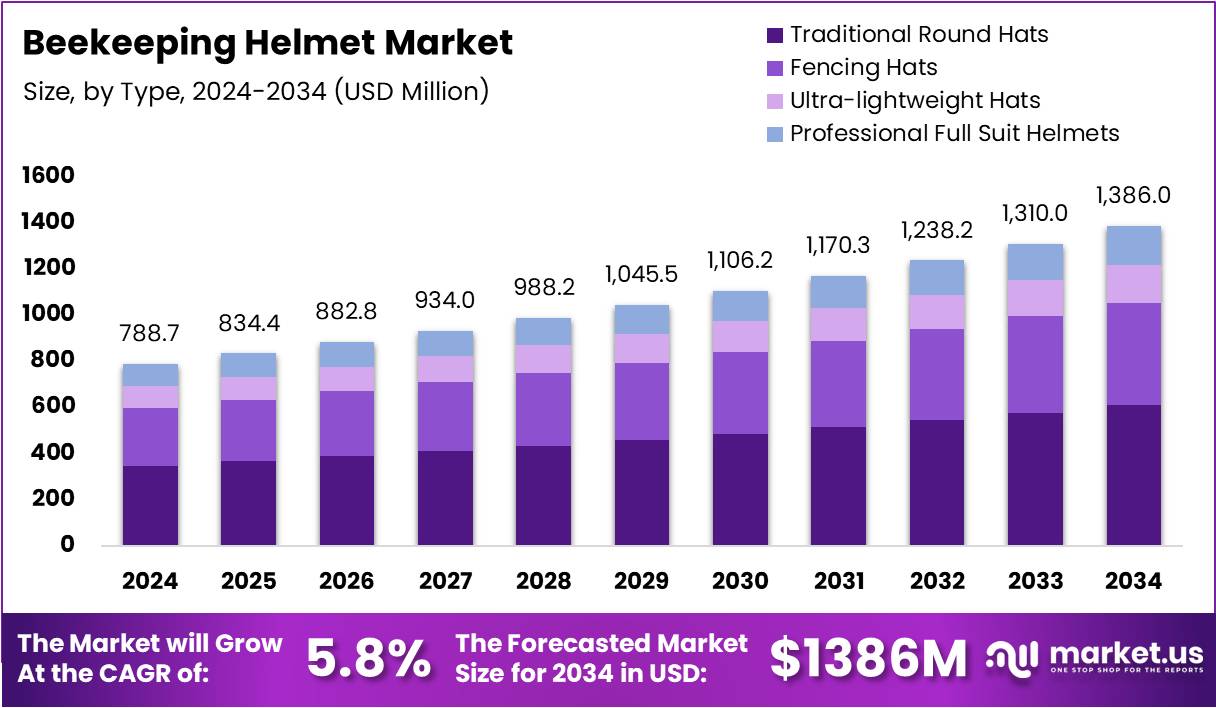
The Global Beekeeping Helmet Market size is expected to be worth around USD 1386 Million by 2034, from USD 788.7 Million in 2024, growing at a CAGR of 5.8% during the forecast period from 2025 to 2034.
The Beekeeping Helmet Market encompasses protective headgear designed specifically for apiculturists during hive management activities. These specialized helmets integrate mesh veils and durable materials to safeguard beekeepers from stings while maintaining visibility. The market serves both commercial honey producers and hobbyist beekeepers globally, addressing fundamental safety requirements in apiculture operations.
Market growth accelerates as beekeeping gains recognition for pollination services and sustainable agriculture practices. Rising consumer awareness about organic honey and bee conservation drives demand for professional-grade protective equipment. Additionally, urban beekeeping trends create new customer segments seeking reliable safety gear. This expansion reflects broader agricultural diversification and environmental stewardship initiatives worldwide.
Opportunities emerge through technological innovations enhancing helmet functionality and comfort features. Manufacturers increasingly incorporate lightweight composite materials and improved ventilation systems to address user preferences. Furthermore, e-commerce platforms expand market reach beyond traditional agricultural supply channels. Educational programs promoting beekeeping as supplementary income simultaneously boost equipment sales across developing regions.
Government investment strengthens apiculture infrastructure through subsidies and training initiatives supporting bee population sustainability. Various agricultural departments allocate funding for beekeeping starter kits including protective helmets for new entrants. Regulatory frameworks mandate safety standards for apiary equipment, ensuring product quality and worker protection. These policies stimulate market standardization while encouraging manufacturers to meet compliance requirements consistently.
Performance specifications significantly influence purchasing decisions within professional beekeeping communities. According to research, specialized beekeeper headgear demonstrates 750 durability rating under continuous field usage conditions. The equipment effectively absorbs 80% of damage encountered from bee and aggressive killer bee interactions.
Additionally, quality beekeeping helmets provide 20% wetness resistance during rainy weather conditions, maintaining operational effectiveness across diverse environmental scenarios. These technical benchmarks establish baseline expectations for protective equipment performance in commercial apiaries.
Key Takeaways
- The Global Beekeeping Helmet Market is projected to reach USD 1386 Million by 2034, up from USD 788.7 Million in 2024.
- The market is expected to grow at a CAGR of 5.8% between 2025 and 2034.
- Traditional Round Hats held the largest share in 2024 with 43.7% in the By Type segment.
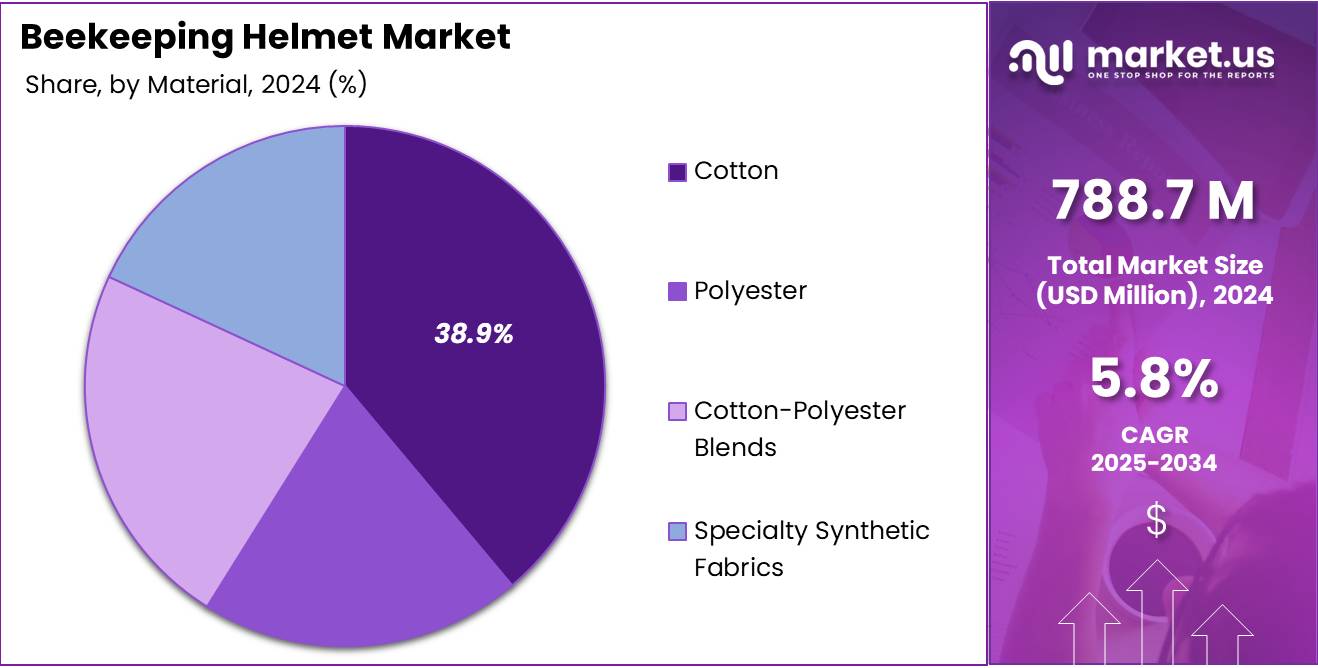
- Cotton dominated the By Material segment in 2024 with a 38.9% market share.
- Residential applications led the market in 2024 with 63.8% share.
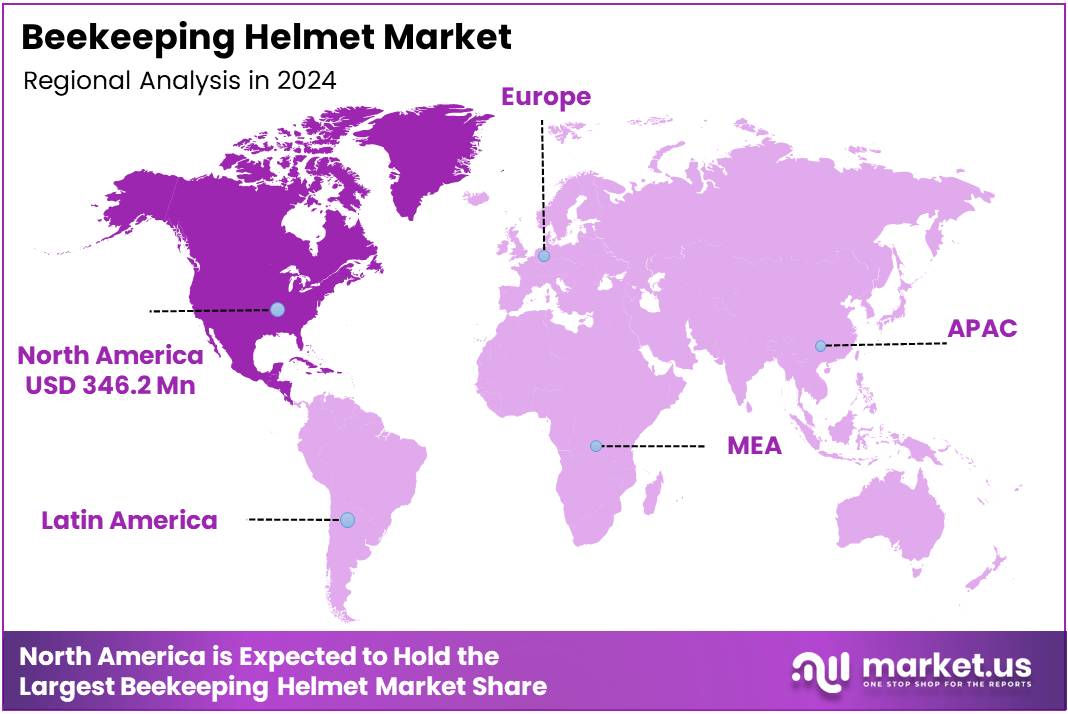
- North America is the largest regional market, valued at USD 346.2 Million and holding 43.9% market share.
Type Analysis
Traditional Round Hats dominates with 43.7% due to its classic design and proven effectiveness across beekeeping operations.
In 2024, Traditional Round Hats held a dominant market position in the By Type Analysis segment of Beekeeping Helmet Market, with a 43.7% share. These helmets remain the preferred choice due to their classic design, proven effectiveness, and affordability. They offer excellent visibility while maintaining adequate protection from bee stings, making them ideal for both novice and experienced beekeepers seeking reliable head protection.
Fencing Hats represent an innovative segment offering enhanced facial protection through their unique design resembling fencing masks. These helmets feature extended mesh coverage, providing superior ventilation while ensuring complete face and neck protection. Beekeepers operating in high-activity apiaries particularly favor this style for preventing aggressive bee encounters while maintaining comfort during extended working sessions.
Ultra-lightweight Hats cater to beekeepers prioritizing comfort during prolonged hive inspections and maintenance activities. Constructed using advanced materials, these helmets significantly reduce neck strain and fatigue during extended use. Their growing popularity reflects the market’s shift toward ergonomic solutions, particularly among commercial beekeepers spending considerable hours managing multiple hives throughout busy seasons.
Professional Full Suit Helmets represent the premium segment, integrating seamlessly with complete beekeeping suits for maximum protection. These helmets appeal to professional apiarists managing large-scale operations or working with aggressive bee species, offering comprehensive coverage and durability. They ensure complete body-to-head protection continuity for demanding commercial beekeeping environments requiring enhanced safety standards.
Material Analysis
Cotton dominates with 38.9% due to its natural breathability and comfort in warm climates.
In 2024, Cotton held a dominant market position in the By Material Analysis segment of Beekeeping Helmet Market, with a 38.9% share. Cotton’s natural breathability makes it exceptionally comfortable for beekeepers working in warm climates and during summer months. This material provides excellent moisture absorption, keeping users cool and dry during intensive beekeeping activities, while offering hypoallergenic properties and environmental sustainability.
Polyester materials offer superior durability and weather resistance compared to natural fibers, making them ideal for diverse climatic conditions. These helmets maintain structural integrity through repeated washing cycles and resist fading from sun exposure effectively. Polyester’s quick-drying properties and mildew resistance make it particularly suitable for humid environments where moisture management remains crucial for hygiene.
Cotton-Polyester Blends combine advantages of both natural and synthetic fibers, delivering balanced performance characteristics for varied applications. These hybrid materials provide cotton’s breathability alongside polyester’s durability and easy-care properties efficiently. Beekeepers appreciate blended fabrics for their versatility, reduced wrinkling, and ability to withstand frequent laundering while maintaining protective qualities throughout extended use.
Specialty Synthetic Fabrics incorporate advanced textile technologies offering enhanced protection and functionality for professional applications. These materials feature specialized treatments for improved bee-sting resistance, UV protection, and antimicrobial properties effectively. Though representing a niche segment, specialty synthetics attract professional beekeepers seeking cutting-edge protective solutions with superior performance characteristics for demanding operations.
Application Analysis
Residential dominates with 63.8% due to growing popularity of backyard beekeeping among hobbyists.
In 2024, Residential held a dominant market position in the By Application Analysis segment of Beekeeping Helmet Market, with a 63.8% share. The residential segment’s dominance reflects growing popularity of backyard beekeeping among hobbyists and small-scale apiarists worldwide. Urban and suburban enthusiasts increasingly maintain hives for personal honey production and pollination support, driving consistent demand for affordable, user-friendly protective helmets.
Commercial applications encompass professional beekeepers managing extensive apiaries and large-scale honey production operations efficiently. This segment demands heavy-duty helmets with superior durability to withstand daily intensive use and harsh environmental conditions. Commercial beekeepers require helmets that maintain functionality through frequent hive exposure, prioritizing long-term value, reliability, and compliance with occupational safety standards.
Key Market Segments
By Type
- Traditional Round Hats
- Fencing Hats
- Ultra-lightweight Hats
- Professional Full Suit Helmets
By Material
- Cotton
- Polyester
- Cotton-Polyester Blends
- Specialty Synthetic Fabrics
By Application
- Residential
- Commercial
Drivers
Growing Global Demand for Honey and Other Bee Products Driving Beekeeping Helmet Market Expansion
The beekeeping helmet market is experiencing significant growth driven by the rising worldwide consumption of honey and bee-related products. As consumers increasingly seek natural sweeteners and health supplements, commercial and hobby beekeeping operations are expanding rapidly. This surge in beekeeping activities directly increases the demand for protective equipment, including specialized helmets that shield beekeepers from stings during hive management.
Additionally, there is a heightened focus on occupational safety standards within agriculture and apiculture sectors. Regulatory bodies and industry associations are emphasizing worker protection, pushing beekeepers to invest in quality safety gear. This regulatory push is particularly strong in developed markets where workplace safety compliance is mandatory.
Technological advancements are also playing a crucial role in market growth. Modern beekeeping helmets now feature improved ventilation systems, anti-fog visors, and ergonomic designs that enhance comfort during extended use. Enhanced visibility through clearer mesh materials and better field-of-vision designs allows beekeepers to work more efficiently while remaining protected. These innovations are making protective helmets more appealing to both professional and amateur beekeepers, thereby expanding the overall market size.
Restraints
Limited Awareness About Safety Standards Restraining Market Growth in Developing Regions
The beekeeping helmet market faces significant challenges due to limited awareness about safety standards and protective gear importance in emerging markets. Many small-scale beekeepers in developing countries continue traditional practices without proper protective equipment, viewing helmets as unnecessary expenses rather than essential safety tools. This knowledge gap slows market penetration in regions with substantial beekeeping potential.
Inconsistent quality standards among helmet manufacturers create confusion and trust issues for buyers. Without unified certification, helmets vary in protection, durability, and design. Some substandard products fail to provide adequate safety, reducing consumer confidence. Price-sensitive customers may choose cheaper, lower-quality options, limiting growth in the premium, certified beekeeping helmet segment.
Growth Factors
Rising Adoption of Smart Helmets Creating New Growth Opportunities in Beekeeping Safety Equipment
The beekeeping helmet market is witnessing exciting growth opportunities through the rising adoption of smart helmets equipped with integrated sensors for hive monitoring. These innovative devices combine traditional protection with digital technology, allowing beekeepers to track temperature, humidity, and hive activity without removing protective gear. This technological integration appeals to modern, tech-savvy beekeepers seeking efficiency improvements.
The expansion of e-commerce channels is making beekeeping helmets more accessible globally, particularly benefiting customers in remote areas. Online marketplaces enable small manufacturers to reach international buyers while providing consumers with broader product selections and competitive pricing. This digital transformation is democratizing access to quality protective equipment.
Additionally, increasing government initiatives promoting safe beekeeping practices are creating favorable market conditions. Various agricultural departments worldwide are launching subsidy programs and training sessions emphasizing the importance of protective gear. These official endorsements not only educate beekeepers about safety but also provide financial support for equipment purchases, particularly benefiting small-scale operators who might otherwise forego protective helmets due to budget constraints.
Emerging Trends
Integration of Lightweight and Breathable Materials Shaping Beekeeping Helmet Design Trends
The beekeeping helmet market is experiencing notable trends centered around the integration of lightweight and breathable materials in helmet design. Modern manufacturers are utilizing advanced fabrics and polymers that reduce helmet weight while maintaining protection standards. These materials improve comfort during long working hours, addressing a common complaint among beekeepers about traditional heavy, hot helmets causing fatigue.
The rising popularity of modular helmets with detachable face shields represents another significant trend. These versatile designs allow users to customize protection levels based on specific tasks and weather conditions. Beekeepers appreciate the flexibility to remove components for cleaning or replace damaged parts without purchasing entirely new helmets, making modular options economically attractive.
Furthermore, the growth of DIY beekeeping communities is driving helmet customization trends. Hobbyist beekeepers increasingly seek personalized equipment reflecting their individual preferences and aesthetic choices. This trend has encouraged manufacturers to offer helmets in various colors, patterns, and adjustable features. Online forums and social media groups share customization ideas, creating a culture where protective equipment becomes part of a beekeeper’s personal identity rather than merely functional gear.
Regional Analysis
North America Dominates the Beekeeping Helmet Market with a Market Share of 43.9%, Valued at USD 346.2 Million
North America commands the leading position in the global beekeeping helmet market, accounting for 43.9% of the market share and valued at USD 346.2 million. The region’s dominance is attributed to the well-established apiculture industry, stringent safety regulations, and high awareness regarding protective equipment among beekeepers. The United States serves as the primary contributor, driven by large-scale commercial beekeeping operations and growing adoption of advanced safety gear.
Europe Beekeeping Helmet Market Trends
Europe represents a significant market for beekeeping helmets, supported by the region’s rich beekeeping heritage and robust apiculture traditions. The market growth is propelled by increasing emphasis on occupational safety standards, rising awareness about bee sting allergies, and the growing number of hobbyist beekeepers across countries such as Germany, France, and Italy.
Asia Pacific Beekeeping Helmet Market Trends
The Asia Pacific region is experiencing rapid growth in the beekeeping helmet market, driven by expanding apiculture activities in countries like China, India, and Australia. The region’s market expansion is fueled by increasing honey consumption, government initiatives promoting apiculture, and growing adoption of modern beekeeping practices with enhanced safety measures.
Middle East and Africa Beekeeping Helmet Market Trends
The Middle East and Africa region presents emerging opportunities for the beekeeping helmet market, characterized by gradual growth in apiculture activities. The market development is supported by international programs promoting beekeeping, rising honey exports, and gradual modernization of beekeeping practices, particularly in countries like South Africa, Kenya, and Ethiopia.
Latin America Beekeeping Helmet Market Trends
Latin America demonstrates steady growth potential in the beekeeping helmet market, with countries like Brazil, Argentina, and Mexico leading regional apiculture activities. The market is driven by substantial honey production capacity, growing export-oriented operations, and increasing awareness about safety standards, particularly for handling Africanized bee populations.
Key Regions and Countries
North America
- US
- Canada
Europe
- Germany
- France
- The UK
- Spain
- Italy
- Rest of Europe
Asia Pacific
- China
- Japan
- South Korea
- India
- Australia
- Rest of APAC
Latin America
- Brazil
- Mexico
- Rest of Latin America
Middle East & Africa
- GCC
- South Africa
- Rest of MEA
Key Beekeeping Helmet Company Insights
The beekeeping helmet segment continues to be driven by innovation and quality differentiation, with established suppliers anchoring market expectations on safety, design, and usability. Growing awareness of beekeeper safety and increasing hobbyist participation globally further support market growth.
BeeCastle has strengthened its position by emphasizing ergonomic design and material durability, appealing to both hobbyists and commercial apiarists. Its focus on adjustable fittings and ventilation features has resonated with customers seeking comfort during extended field use. The brand is also investing in lightweight materials to enhance long-term wearability.
Beewise remains notable for integrating smart technology considerations into traditional protective gear, aligning beekeeping helmets with broader trends in precision agriculture. The company’s reputation for quality and incremental product enhancements supports steady adoption among technologically minded practitioners. Its efforts in sustainable material sourcing also contribute to brand differentiation.
Dadant & Sons, Inc. leverages a long heritage in beekeeping supply to maintain credibility in safety gear offerings, including helmets that complement its broader portfolio. Its strategies emphasize reliability and education for new beekeepers, reinforcing brand trust in core markets. Additionally, it continues to offer customization options to meet varied user preferences.
Good Land Bee Supply differentiates through value-driven solutions, targeting early-stage and budget-conscious apiarists without compromising essential protective standards. Its distribution reach across online and retail channels helps sustain consistent visibility in competitive landscapes. The company is also expanding educational resources to enhance user experience and safety awareness.
Top Key Players in the Market
- BeeCastle
- Beewise
- Dadant & Sons, Inc.
- Good Land Bee Supply
- Humble Bee
- Mann Lake
- Others
Recent Developments
- In June 2024, Mann Lake Ltd. acquired Pierce Beekeeping Equipment, strengthening its position in the beekeeping industry.This acquisition expanded its portfolio with high-quality beekeeping supplies, enhancing product availability for professional and hobbyist beekeepers.
- In November 2024, Old Castle Farm Hives launched the Sentinel Pro III “Ultimate Protection” range for beekeepers.The launch introduced ventilated suits, jackets, and gloves, designed to improve safety, comfort, and durability during hive management.
Report Scope
Report Features Description Market Value (2024) USD 788.7 Million Forecast Revenue (2034) USD 1386 Million CAGR (2025-2034) 5.8% Base Year for Estimation 2024 Historic Period 2020-2023 Forecast Period 2025-2034 Report Coverage Revenue Forecast, Market Dynamics, Competitive Landscape, Recent Developments Segments Covered By Type (Traditional Round Hats, Fencing Hats, Ultra-lightweight Hats, Professional Full Suit Helmets),By Material (Cotton, Polyester, Cotton-Polyester Blends, Specialty Synthetic Fabrics),By Application (Residential, Commercial) Regional Analysis North America (US and Canada), Europe (Germany, France, The UK, Spain, Italy, and Rest of Europe), Asia Pacific (China, Japan, South Korea, India, Australia, and Rest of APAC), Latin America (Brazil, Mexico, and Rest of Latin America), Middle East & Africa (GCC, South Africa, and Rest of MEA) Competitive Landscape BeeCastle, Beewise, Dadant & Sons, Inc., Good Land Bee Supply, Humble Bee, Mann Lake, Others Customization Scope Customization for segments, region/country-level will be provided. Moreover, additional customization can be done based on the requirements. Purchase Options We have three licenses to opt for: Single User License, Multi-User License (Up to 5 Users), Corporate Use License (Unlimited User and Printable PDF) 
-
-
- BeeCastle
- Beewise
- Dadant & Sons, Inc.
- Good Land Bee Supply
- Humble Bee
- Mann Lake
- Others
Our Clients

- 172348
- Dec 2025






