


Report Overview
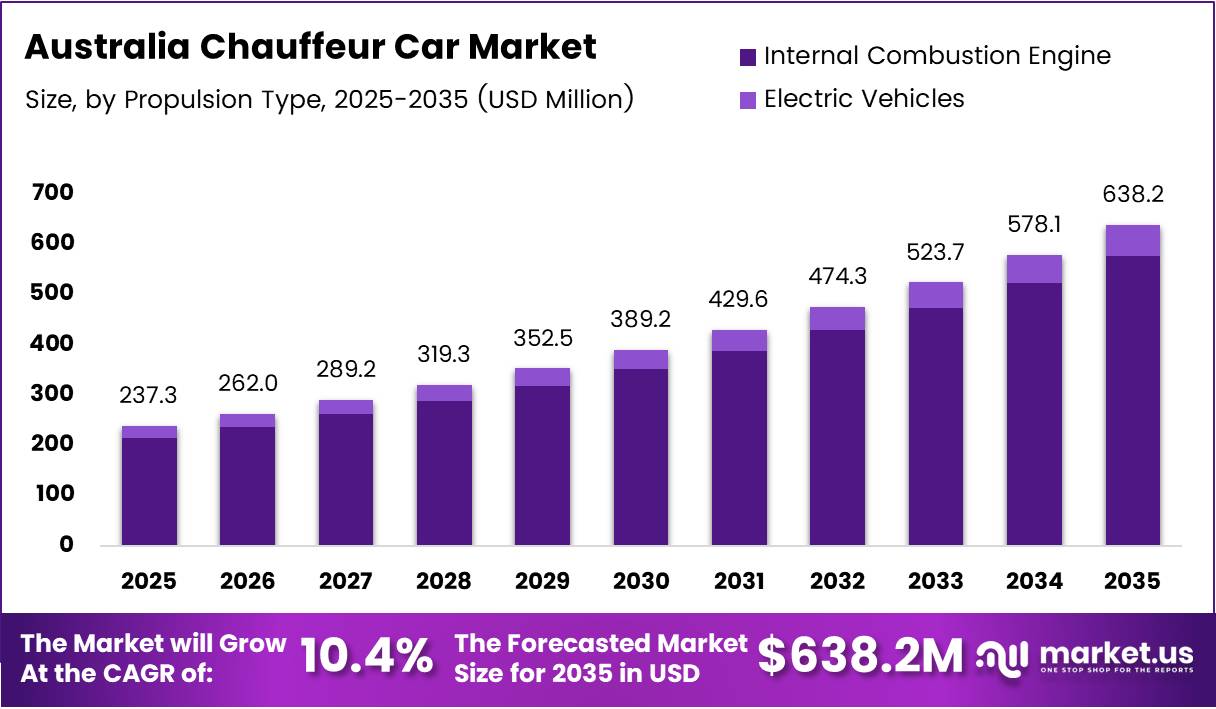
In 2025, Australia Chauffeur Car Market was valued at US$237.3 million, and between 2025 and 2035, this market is estimated to register a CAGR of 10.4%, reaching about US$638.2 million by 2035. Also the global chauffeur car market is experiencing robust growth, driven by rising demand for premium mobility solutions, corporate travel expansion, and increasing adoption of luxury transportation services across key economies worldwide.
Australia’s chauffeur car market operates within a premium mobility ecosystem supported by strong corporate travel demand, high-value international tourism, and geographically dispersed urban centres including Sydney, Melbourne, Brisbane, Perth, and Canberra. These cities function as primary demand hubs, with consistent requirements for pre-booked transfers linking airports, central business districts, hotels, and major event venues, where reliability and service quality remain central expectations.
- Sydney represents a key focal point, with Sydney Airport handling more than 42.54 million passengers in 2025, including 17.17 million international travellers through the T1 International terminal. The airport recorded more than 4.62 million international passengers in the October-December period alone, marking a 5.9% increase over 2024.
Brisbane is expanding as a gateway to Queensland’s coastal and leisure destinations, while Adelaide, Perth, and Canberra contribute distinct demand profiles driven by wine tourism, resource-sector activity, and government-related mobility respectively. Canberra, in particular, supports structured transfers for diplomats and officials travelling to Parliament House and embassies.
- Melbourne demonstrates strong demand dynamics, with Melbourne Airport handling 3.38 million passengers in January, comprising 1.26 million international and 2.12 million domestic travellers, reflecting intensified movement linked to events such as the Australian Open and the Formula 1 Grand Prix.
- Coastal tourism remains a defining feature of Australia’s natural appeal. The country is home to 10,685 beaches spanning 14,686 kilometers, representing approximately 49.1% of the open coastline, with sand dunes extending along 12,175 kilometers.
- Among natural landmarks, the Great Barrier Reef remains one of the most prominent attractions. Stretching approximately 2,300 kilometers, it supports over 1,600 species of fish, more than 30 species of whales and dolphins, and six of the world’s seven marine turtle species.
Across these markets, chauffeur services are increasingly preferred over on-demand alternatives in premium segments due to requirements for discretion, punctuality, and consistency. Growing international travel, normalization of corporate mobility, and rising leisure-based premium travel are reinforcing demand stability. Fleet electrification, digital booking integration, and expansion into interstate and regional corridors are gradually reshaping service delivery, indicating a shift toward more technology-enabled and experience-focused premium transport offerings across Australia.
Key Takeaways
- Australia chauffeur car market was valued at US$237.3 million in 2025.
- Australia chauffeur car market is projected to grow at a CAGR of 10.4% and is estimated to reach US$638.2 million by 2035.
- On the basis of service type, airport transfer dominated the market, constituting 31.4% of the total market share.
- Based on the vehicle type, sedans led the chauffeur car market, comprising 60.6% of the total market.
- Among the propulsion types, internal combustion engine chauffeur cars held a major share of the market, accounting for around 90.3% of the revenue.
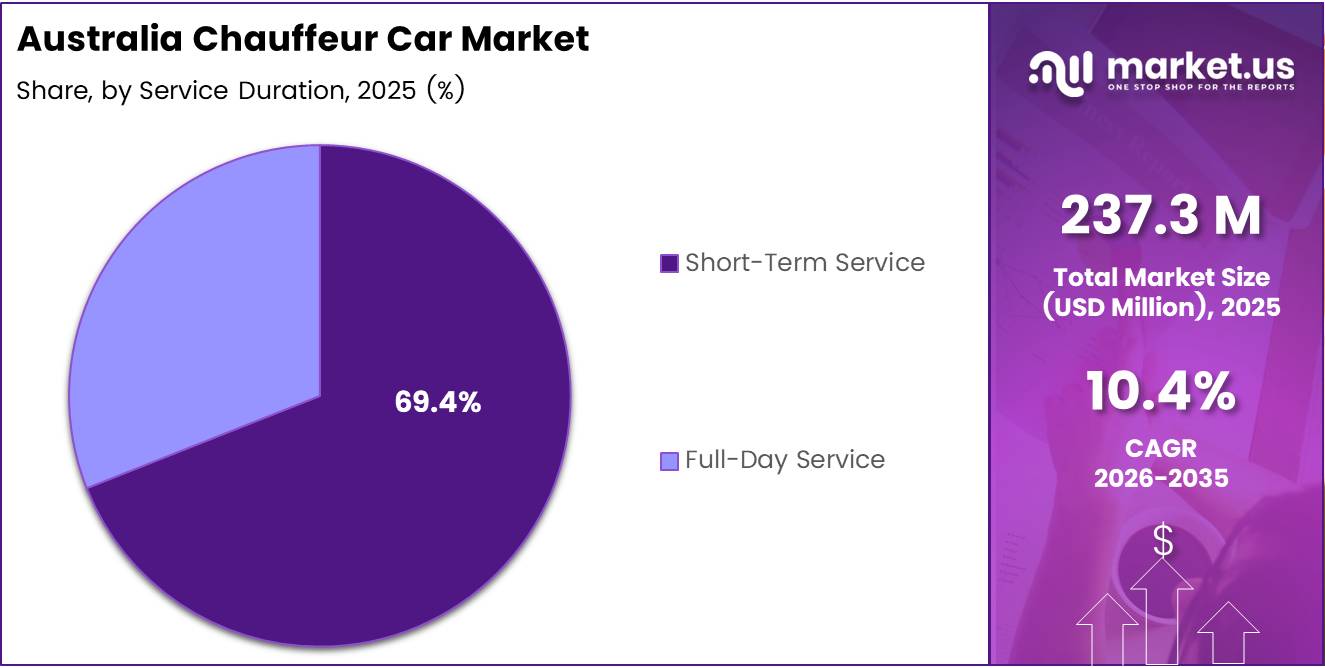
- Based on the service duration, short-term services withheld larger share in the market, with 69.4%.
Service Type Analysis
Airport Transfer Services Are a Prominent Segment in the Market.
Airport transfer services account for 31.4% share of Australia’s chauffeur car market, reflecting the country’s strong reliance on aviation-linked mobility. Major international gateways such as Sydney Airport, Melbourne Airport, and Brisbane Airport generate continuous passenger inflows from both business and leisure travel, creating a steady requirement for pre-arranged premium transfers. This segment benefits from the predictable nature of flight schedules, higher penetration of international arrivals, and customer preference for reliable door-to-door connectivity after long-haul journeys.
Business travelers and high-income tourists particularly value punctuality, luggage assistance, and seamless transitions between terminals and urban destinations. The segment’s dominance is further reinforced by the concentration of luxury hotels and corporate districts near airport corridors, supporting consistent booking volumes. As a result, airport transfers remain the foundational revenue driver within the chauffeur services ecosystem across Australia.
Vehicle Type Analysis
Sedans Dominated the Chauffeur Car Market.
Sedans represent the dominant vehicle category in Australia’s chauffeur car market, accounting for a 60.6% share of overall fleet utilization. Their strong position is primarily driven by suitability for executive travel, airport transfers, and corporate mobility, where comfort, discretion, and professional presentation are key expectations. Sedans are widely preferred for solo travelers and business professionals due to their balance of luxury appeal, fuel efficiency, and ease of navigation through dense urban environments such as Sydney and Melbourne.
The segment benefits from established fleet availability and lower operational complexity compared to larger vehicle classes, enabling operators to maintain cost efficiency while meeting premium service standards. Additionally, sedans align well with corporate travel policies and standardized chauffeur service offerings, reinforcing their consistent demand across both domestic and international passenger segments.
Propulsion Type Analysis
Internal Combustion Engine Chauffeur Cars Held Major Share of the Market.
Internal combustion engine (ICE) vehicles continue to dominate Australia’s chauffeur car market with 90.3% share, accounting for the overwhelming majority of fleet deployment. Their strong presence is supported by well-established refueling infrastructure, long driving range, and operational flexibility, which are particularly important for airport transfers, intercity travel, and extended service durations.
ICE vehicles remain the preferred choice for chauffeur operators due to their reliability across diverse travel conditions, including long-distance routes between metropolitan hubs and regional destinations. They offer a wide range of premium and luxury models, enabling service providers to maintain high standards of comfort and brand positioning. Despite gradual adoption of electric vehicles in urban fleets, ICE vehicles retain their dominance due to lower range anxiety concerns and greater suitability for unpredictable travel schedules and high-utilization service patterns.
Service Duration Analysis
Chauffeur Cars Are Mostly Utilized for Short-Term Services.
Short-term service dominates the Australia chauffeur car market with 69.4% share, reflecting the strong preference for point-to-point and hourly mobility solutions across both business and leisure segments. This format is widely used for airport transfers, corporate meetings, hotel pickups, and intra-city travel, where passengers prioritize efficiency, flexibility, and time-sensitive scheduling. The segment benefits from high trip frequency in major urban centres such as Sydney, Melbourne, and Brisbane, where dense commercial activity and traffic congestion make short-duration, professionally managed transport more practical than self-driving alternatives.
It further aligns closely with the needs of international travellers seeking seamless connectivity upon arrival and departure. Operators favor this model due to its higher turnover potential, optimized fleet utilization, and adaptability to fluctuating daily demand patterns, reinforcing its position as the dominant service duration category within the chauffeur ecosystem.
Key Market Segments
By Service Type
- Airport Transfer
- City Tours & Leisure Travel
- Business & Corporate Travel
- Event Transportation
- Others
By Vehicle Type
- Sedan
- SUV
- Others
By Propulsion Type
- Internal Combustion Engine
- Electric Vehicles
By Service Duration
- Short-Term Service
- Full-Day Service
Drivers
Increasing Demand from Festivals and Events Industry Drives the Demand for Chauffeur Cars
Australia’s festivals and events ecosystem serves as a significant demand catalyst for the chauffeur car market, particularly across major metropolitan and regional destinations where large-scale cultural, sporting, and business gatherings are consistently hosted. Cities such as Melbourne, Sydney, Brisbane, and Perth maintain a dense annual calendar of high-profile occasions, including international festivals, conventions, expos, and sporting tournaments.
Events such as Sydney’s New Year’s Eve, the Australian Open, Adelaide Fringe, Vivid Sydney, Sydney Gay and Lesbian Mardi Gras, Floriade, Dark Mofo, Noosa Eat and Drink Festival, Parrtjima, and Hamilton Island Race Week generate concentrated, short-duration surges in premium mobility requirements.
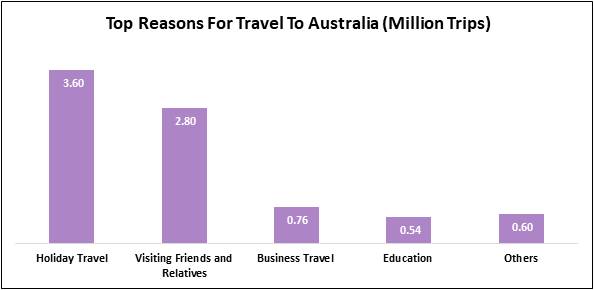
- International visitation to Australia reached 8.3 million trips in the year ending December 2025, while total visitor expenditure rose to US$55.7 billion, reflecting a 14% increase compared to the year ending December 2024.
During these periods, chauffeur services are increasingly utilised for VIP guests, corporate delegates, performers, and high-spending tourists who prioritize reliability, discretion, and coordinated multi-venue transportation. The expansion in event-driven travel is reinforced by strong growth in international visitor activity and expenditure.
- At a regional level, visitor spending growth was recorded across most jurisdictions, with South Australia increasing by 31%, Western Australia by 30%, Tasmania by 29%, New South Wales by 25%, Queensland by 20%, the Northern Territory by 12%, and Victoria by 7%.
Key inbound markets continue to strengthen this demand base, with New Zealand, China, the United Kingdom, the United States of America, and India emerging as the top five visitor sources. These dynamics collectively reinforce the role of festivals and events in driving concentrated, high-value chauffeur service demand across Australia.
- Chinese visitors recorded the strongest growth, with expenditure increasing by 39%, alongside rises in trips and nights of 18% and 19% respectively.
- The United Kingdom also demonstrated strong performance, with visitor spend rising by 31%, while trips increased by 19% and nights by 29%.
Restraints
High Maintenance and Safety Compliance Limiting Chauffeur Cars Adoption
The Australia chauffeur car market faces notable operational constraints arising from stringent maintenance expectations associated with premium mobility services. Vehicles are required to consistently uphold high mechanical, aesthetic, and operational standards, where even minor performance or presentation issues can negatively affect passenger safety perception and service credibility. Industry practices necessitate frequent inspection and upkeep of critical systems such as brakes, tyres, engines and fluids, and suspension components to ensure uninterrupted reliability and safe operations.
This intensive maintenance requirement creates ongoing cost pressures for operators, particularly those managing fleets of luxury sedans, SUVs, and specialised chauffeur vehicles. Preventive servicing, routine inspections, and timely component replacements contribute to elevated recurring expenses, while smaller operators may experience margin compression during periods of fluctuating demand.
Operational efficiency is further challenged by dependence on specialised technical expertise, as premium chauffeur vehicles often incorporate luxury interiors and advanced technologies, including GPS tracking systems, real-time communication tools, and vehicle diagnostics systems. These features necessitate skilled technicians and specialised workshops, often resulting in longer downtime and reduced fleet availability during peak demand periods such as major events, airport surges, and intercity travel peaks.
Additionally, maintenance obligations are closely linked to regulatory compliance and insurance requirements, where non-compliance can result in penalties, operational suspension, or insurance complications, effectively limiting cost optimisation flexibility across the market.
Growth Factors
Growing Preference for Chauffeur-Driven Intercity Travel Creating Potential Opportunities
A rising inclination toward chauffeur-driven intercity mobility is creating a significant growth avenue within Australia’s premium ground transport ecosystem, supported by the country’s dispersed urban geography and strong inter-city economic linkages. Key metropolitan centres such as Melbourne, Sydney, Canberra, Brisbane, and Adelaide are separated by considerable distances yet remain closely connected through business, government, and tourism flows.
The expansion of bleisure travel is further reinforcing this shift, as professionals extend business trips into leisure stays, requiring adaptable transport between meetings, city hubs, and regional destinations. Intercity chauffeur services support customised itineraries linking commercial centres with nearby tourism regions, reducing reliance on multiple transport modes and rigid scheduling.
Well-established road travel experiences such as the Nullarbor Plain crossing along the Great Australian Bight, the Great Southern Touring Route, Kakadu circuits, and the Queensland Great Sunshine Way highlight strong interest in structured road journeys. High-traffic corridors including Melbourne-Sydney, Melbourne-Geelong, Melbourne-Ballarat and Bendigo, Gold Coast-Brisbane, and Adelaide-Melbourne further underpin demand, driven by business travellers, regional commuters, and leisure tourists seeking efficiency, comfort, and seamless connectivity.
Emerging Trends
Government-Led Initiatives Accelerating Electric Vehicle Adoption
A gradual shift toward electric mobility is emerging across the Australia chauffeur car market, influenced by government policy direction aimed at emissions reduction, urban air-quality improvement, and broader transport decarbonisation goals.
This transition is increasingly shaping fleet renewal strategies, particularly in metropolitan areas where chauffeur services are most active. As low-emission transport becomes more closely associated with modern executive mobility standards, electric vehicles are progressively being integrated into premium service offerings rather than being treated as a niche sustainability option.
The National Electric Vehicle Strategy
Objectives
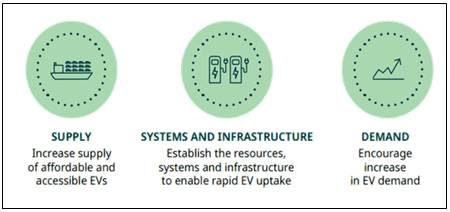
Outcomes
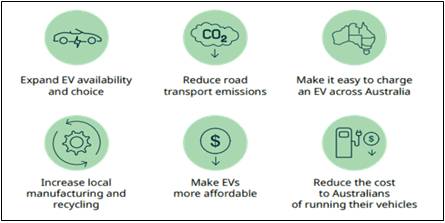
Across Australia, multiple policy mechanisms are reinforcing this movement. The Australian Government, alongside state and territory administrations, has committed to achieving net zero emissions by 2050, supported by initiatives designed to expand electric vehicle adoption across private and commercial transport segments. Key measures include the Electric Car Discount legislation introduced in 2022, which aims to improve affordability, funding support from the Clean Energy Finance Corporation (CEFC) to reduce the cost of green car loans.
- The New Vehicle Efficiency Standard (NVES), implemented from 1 January 2025, has been introduced by the Australian Government to establish efficiency requirements that support the transition toward lower-emission and electric vehicles.
Within chauffeur operations, these interventions are increasingly influencing procurement decisions and encouraging gradual fleet electrification. Operators are incorporating electric vehicles to align with regulatory expectations while also benefiting from potential reductions in energy consumption and maintenance-related costs.
Geopolitical Impact Analysis
Global Energy Volatility and Fuel Supply Exposure: Implications for Australia’s Chauffeur Mobility Economics
Escalating geopolitical tensions in the Middle East, particularly following US and Israeli strikes on Iran and the fragile nature of the subsequent ceasefire, are contributing to heightened volatility in global energy markets, with direct implications for Australia’s chauffeur car market. The possibility of a prolonged conflict is influencing expectations around crude oil supply stability, driving uncertainty in fuel pricing across transport-intensive sectors. For chauffeur operators, whose services depend heavily on continuous urban mobility, airport transfers, and intercity travel, such fluctuations translate into immediate operating cost pressure and increased pricing sensitivity.
- Approximately 85% of the country’s fuel is imported, making the transport sector highly vulnerable to disruptions in global shipping routes.
Australia’s structural dependence on imported fuel intensifies this exposure. The reliance is compounded by limited domestic refining capacity, with only two operational refineries remaining compared to eight in 2005, collectively meeting less than 20% of national fuel demand. In addition, Australia maintains relatively low fuel inventory buffers of around 30 days, significantly below the 90-day minimum recommended by the International Energy Agency.
- With sustained geopolitical strain, crude oil prices could escalate toward US$150-US$175 per barrel, transmitting rapid cost increases across the transport value chain.
For chauffeur service providers, this would result in margin compression, as diesel and petrol price surges directly elevate per-trip costs, particularly in airport transfers, hourly hire, and intercity services. While premium customer segments may absorb partial increases, corporate contracts and pre-agreed pricing structures limit short-term pass-through flexibility, creating operational profitability pressures across the market.
Key Company Insights
Players in the Australia chauffeur car market primarily focus on service differentiation through reliability, punctuality, and premium customer experience to strengthen competitive positioning. Many operators invest in fleet quality upgrades, maintaining a mix of executive sedans, luxury SUVs, and increasingly electric vehicles to align with evolving customer expectations. Strong emphasis is placed on digital booking platforms, real-time tracking, and seamless payment systems to improve convenience and operational efficiency.
Corporate account acquisition remains a key strategy, with tailored mobility solutions designed for frequent business travel and event-based transport requirements. Operators further build partnerships with hotels, airports, and travel coordinators to secure steady demand streams. Additionally, dynamic pricing strategies, chauffeur training programs, and enhanced personalization of services are used to improve customer retention and brand loyalty in a highly service-sensitive environment.
Key Players
- Hughes
- Star Group
- Car Australia
- Royale Limousines
- LuxCar Pty Ltd.
- iChauffeur Melbourne
- Luxe Chauffeurs Melbourne
- Southern Cross
- Australian Chauffeurs Group Pty Ltd.
- Bris limousine
- Star City Chauffeurs
- COD Operations Pty Ltd
- Evoke Pty Ltd
- Ontime Corporate Cars & Chauffeur Hire
- Executive Cars Melbourne
- Other Key Players
Report Scope
| Report Features | Description |
|---|---|
| Market Value (2025) | US$237.3 Mn |
| Forecast Revenue (2035) | US$638.2 Mn |
| CAGR (2025-2035) | 10.4% |
| Base Year for Estimation | 2025 |
| Historic Period | 2021-2024 |
| Forecast Period | 2025-2035 |
| Report Coverage | Revenue Forecast, Market Dynamics, Competitive Landscape, Recent Developments |
| Segments Covered | By Service Type (Airport Transfer, City Tours & Leisure Travel, Business & Corporate Travel, Event Transportation, and Others), By Vehicle Type (Sedan, SUV, and Others), By Propulsion Type (Internal Combustion Engine and Electric Vehicles), By Service Duration (Short-Term Service and Full-Day Service) |
| Competitive Landscape | Hughes, Star Group, Car Australia, Royale Limousines, LuxCar Pty Ltd., iChauffeur Melbourne, Luxe Chauffeurs Melbourne, Southern Cross, Australian Chauffeurs Group Pty Ltd., Bris limousine, Star City Chauffeurs, COD Operations Pty Ltd, Evoke Pty Ltd, Ontime Corporate Cars & Chauffeur Hire, Executive Cars Melbourne, and Other Players. |
| Customization Scope | Customization for segments, region/country-level will be provided. Moreover, additional customization can be done based on the requirements. |
| Purchase Options | We have three licenses to opt for: Single User License, Multi-User License (Up to 5 Users), Corporate Use License (Unlimited Users and Printable PDF) |





































